Garden

Nothing faulty with Basil

I have grown basil in every house since I left home. Pots on balconies, patches in suburban gardens, beds on the property. It has never not worked. Basil is one of those plants that rewards almost any attention you give it and forgives most of what you get wrong. The Mid North Coast is close to ideal conditions. Warm summers, plenty of sun, and basil growing right outside the kitchen door from October through to April.
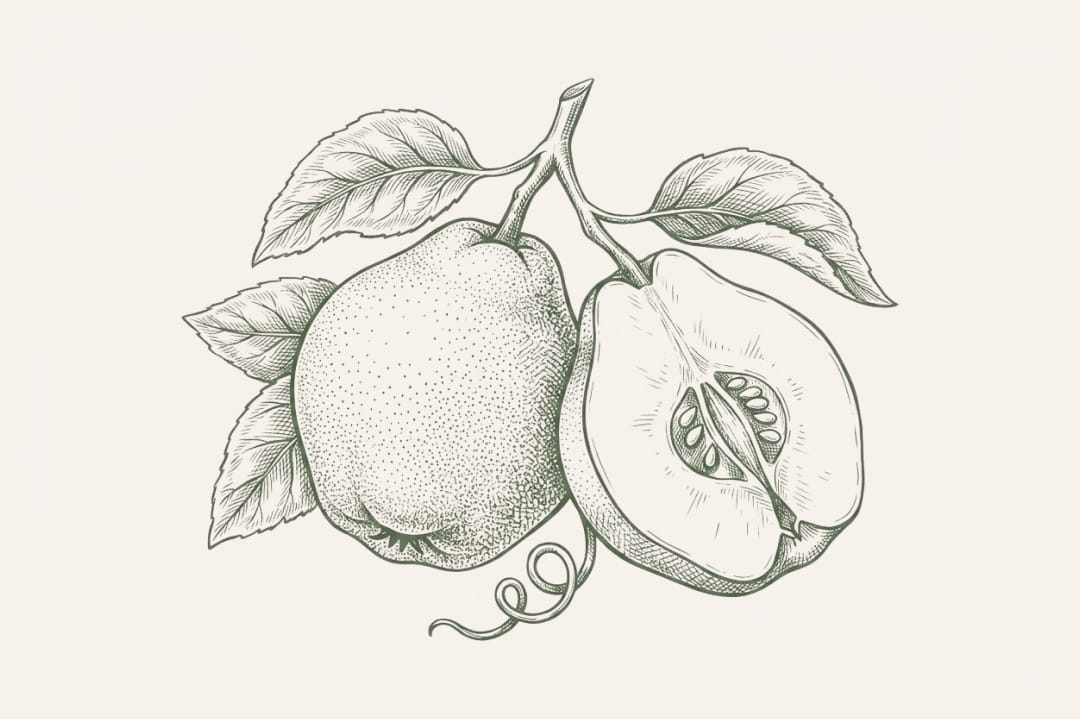
Quince are supremely underated

Tasmania was where I first grew quince. The tree was easy, the harvest generous, and the fruit looked extraordinary. Then I bit into one straight off the tree and understood immediately why quince paste exists. Cook it though, and something remarkable happens. It is one of the more rewarding things you can make from a fruit tree, and the result lasts for months. Worth every bit of the effort.

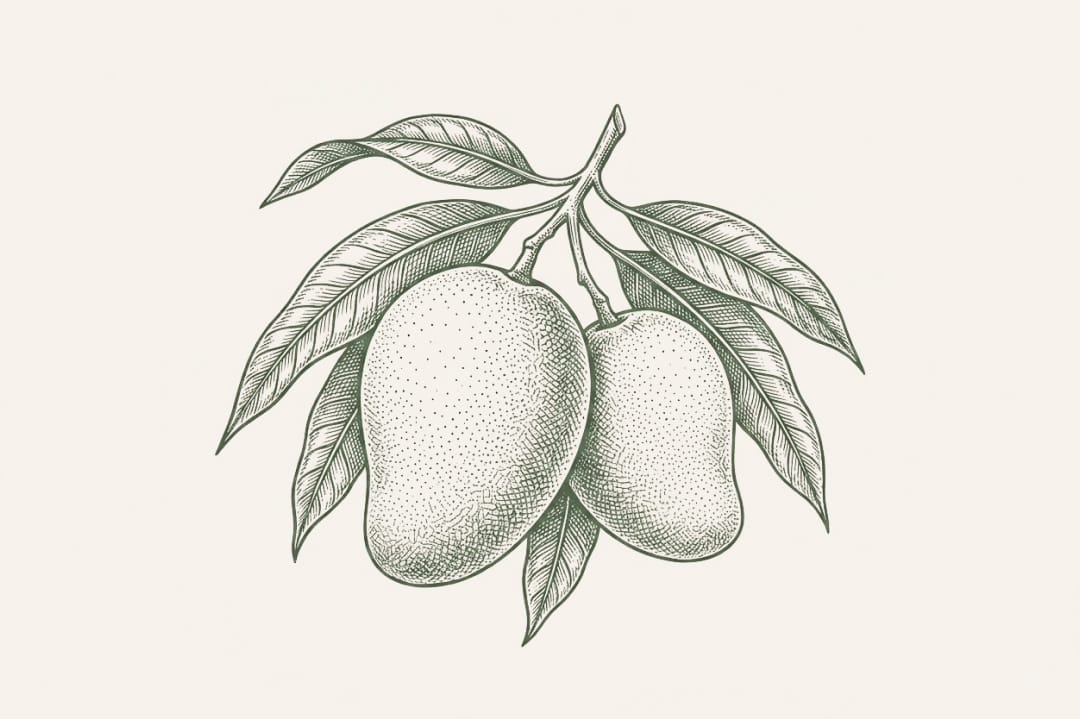
Mangos, the best of the tropics

When we moved to the Macleay Valley we inherited two mango trees. One needed work. The other produced over two hundred fruit in the first season. We stood under it in December not entirely sure what we were going to do with two hundred mangoes. Turns out there are plenty of answers to that question.

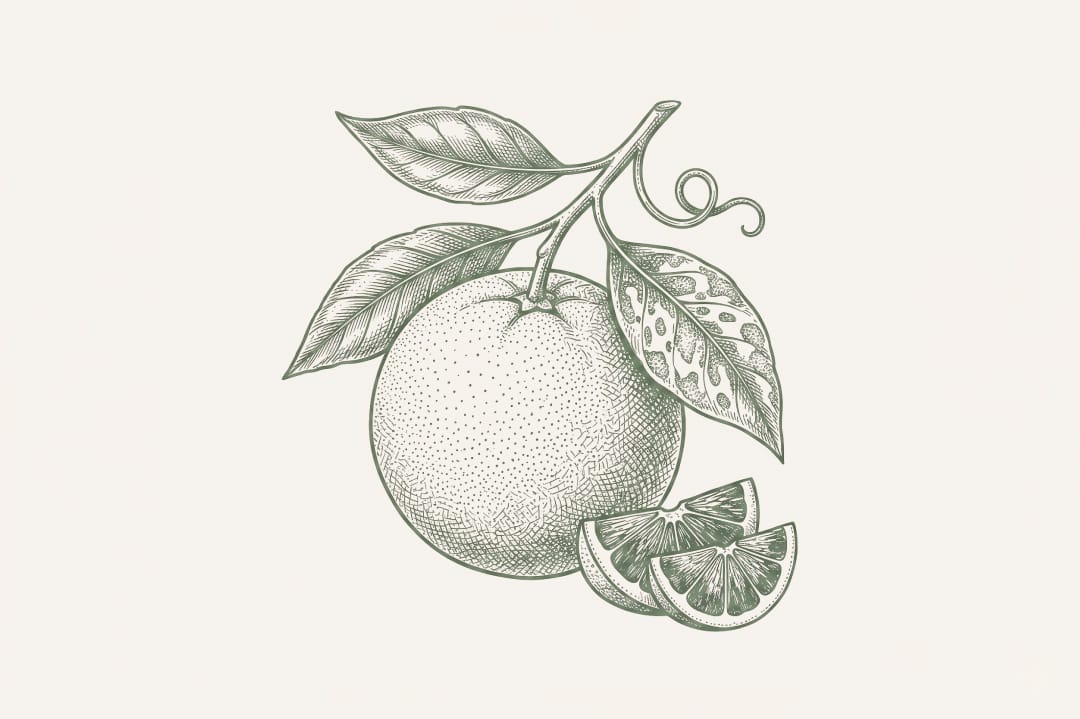
Blood orange, a vampire’s favorite fruit

We bought this tree in Victoria, where it survived being eaten to the ground by the sheep. Twice. Each time it came back. It made the move to NSW with us and is now producing fruit that looks like something out of a still-life painting and tastes better than any orange I have bought from a shop. The sheep are fenced out. Mostly.

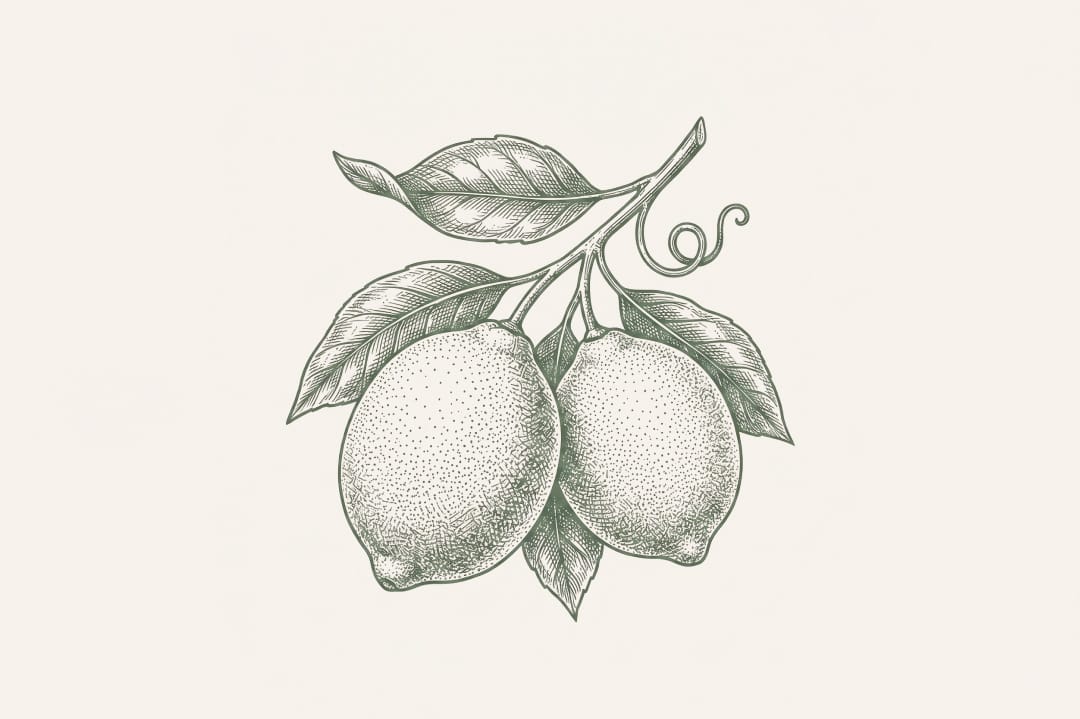
When life gives you Lemons

I have killed more lemon trees than I care to admit. Leaf curl, black spot, ants farming aphids, then gall wasp before I even knew what gall wasp was. What I’ve worked out since is that most of it was the same problem in different forms. A stressed tree is a tree broadcasting an invitation. Fix the stress and most of the rest follows.

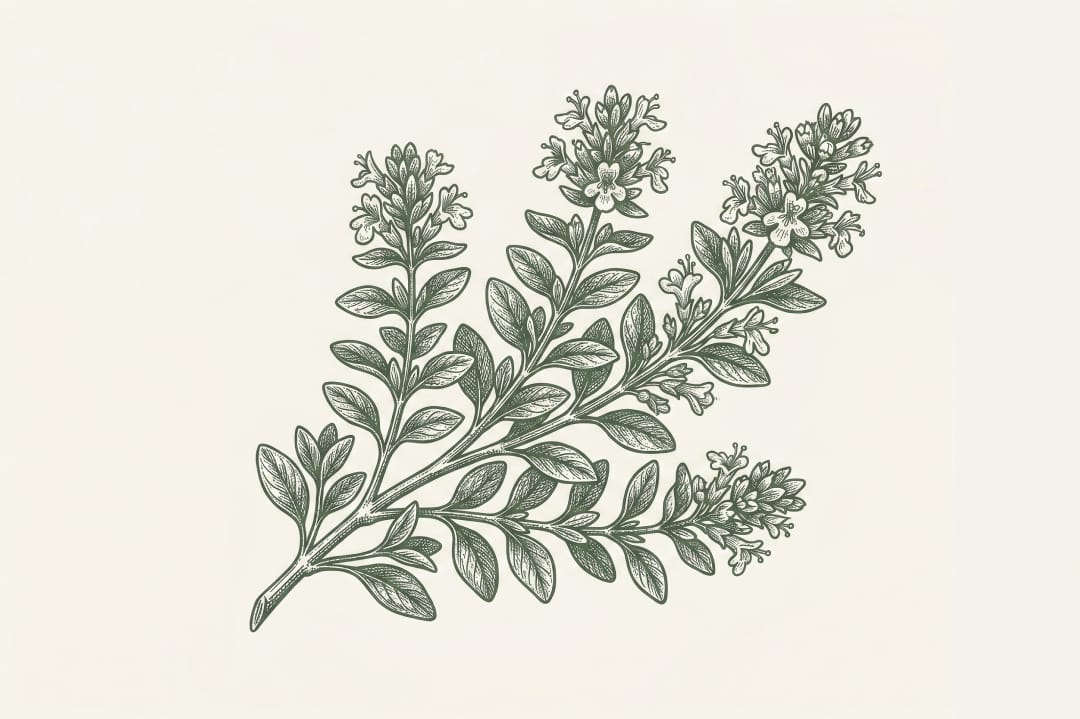
When in doubt, add Oregano

The first oregano I grew, I killed. Not through neglect but through the opposite. Overwatered it, roots rotted, and I assumed the plant was just difficult. It wasn’t. I was. Leave oregano alone, give it sun and decent drainage, and it becomes one of the hardest things in the herb garden to murder.

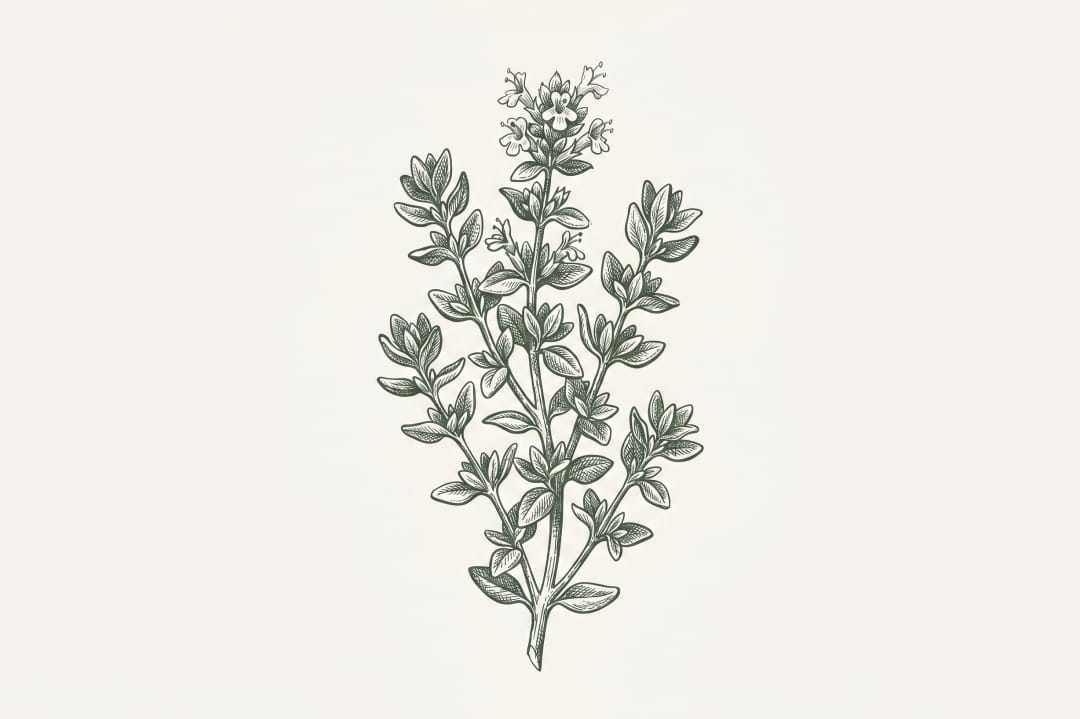
No Thyme like the present

Thyme is one of the herbs I have been growing the longest. Started in the city, in a pot in the courtyard, because buying it fresh was expensive and the dried stuff in a jar just isn’t great. It is one of the easiest herbs to keep alive, one of the most useful in the kitchen, and one of the most overpriced at the supermarket. Growing your own makes no financial argument that needs much defending.

Lettuce, Cos it’s Time to Plant

Lettuce seemed like the obvious starting point. We eat it constantly and everything you read suggests it’s one of the easier vegetables to get right. That part is true. What we didn’t account for was the bolting. A big first planting gave us more cos than we could eat, then nothing when the warm weather hit. Staggered plantings fixed it. That’s the approach this guide is built around.

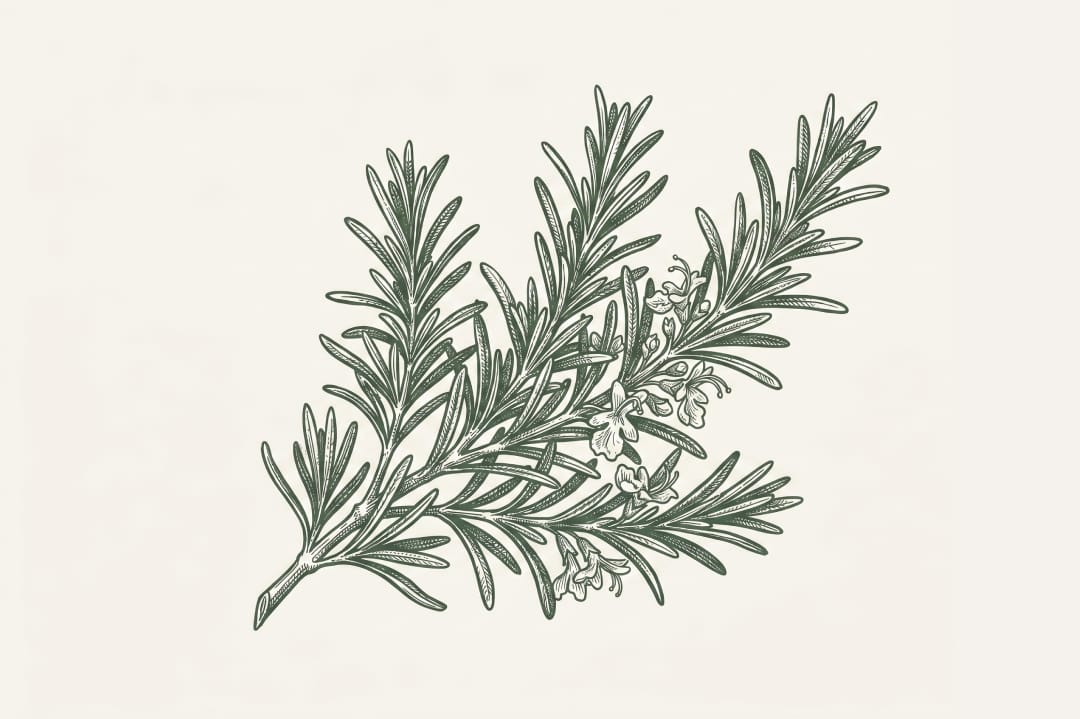
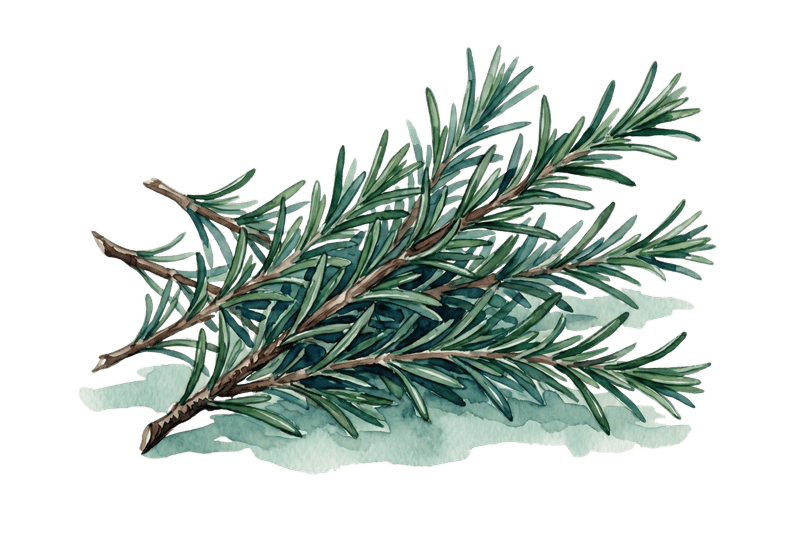
Love grows where my Rosemary goes

Rosemary in the jar stops smelling like much at all. You add more, it still tastes flat, and you start to wonder if it’s actually as good as everyone says. Grow it fresh and that question answers itself. A sprig cut ten minutes ago and something from a supermarket herb rack are not the same herb. One smells like a hillside in full sun. The other smells like the memory of one.

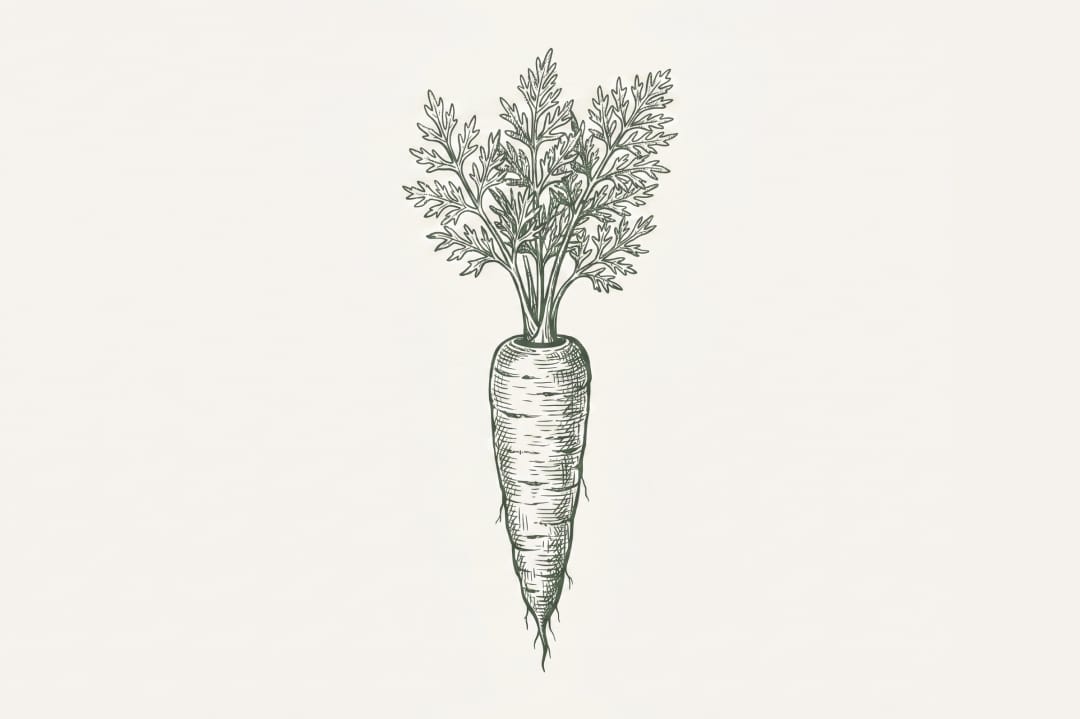
Carrots: I’m rooting for you

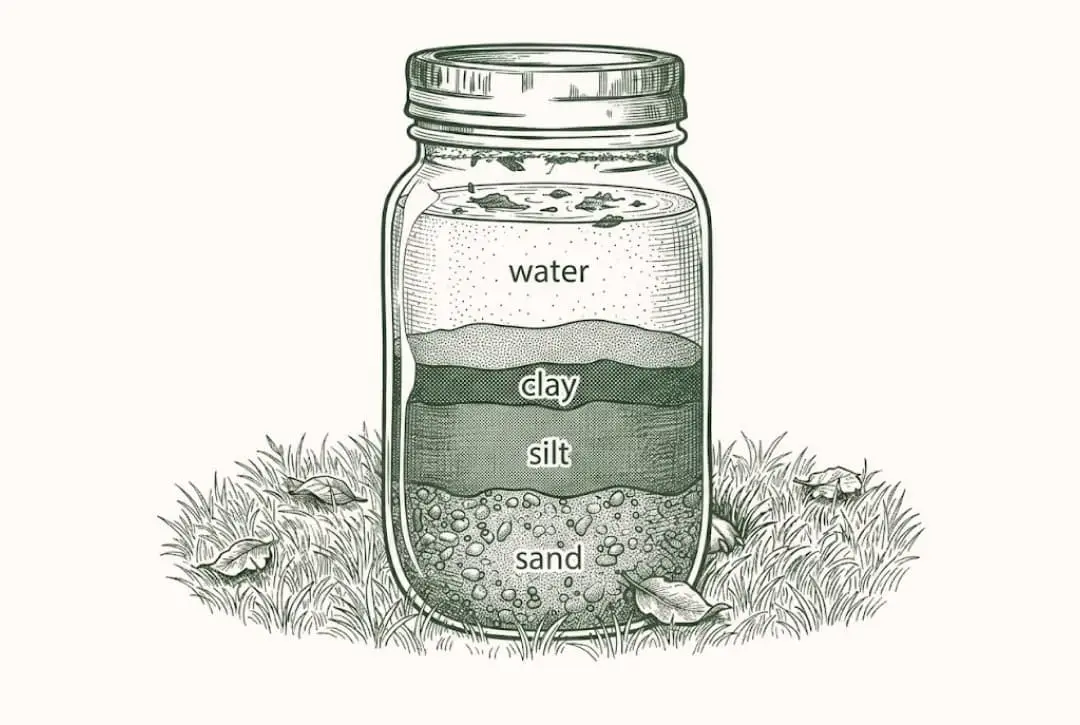
Carrots were one of the first things I planted. Who doesnt want to pull a carrot out of the ground and it it like a rabbit? However, the soil in that first bed was nowhere near ready for them. What came up was edible, technically, but more like a carrot for dolls, or forked and stubby in the way that tells you the soil had other ideas.

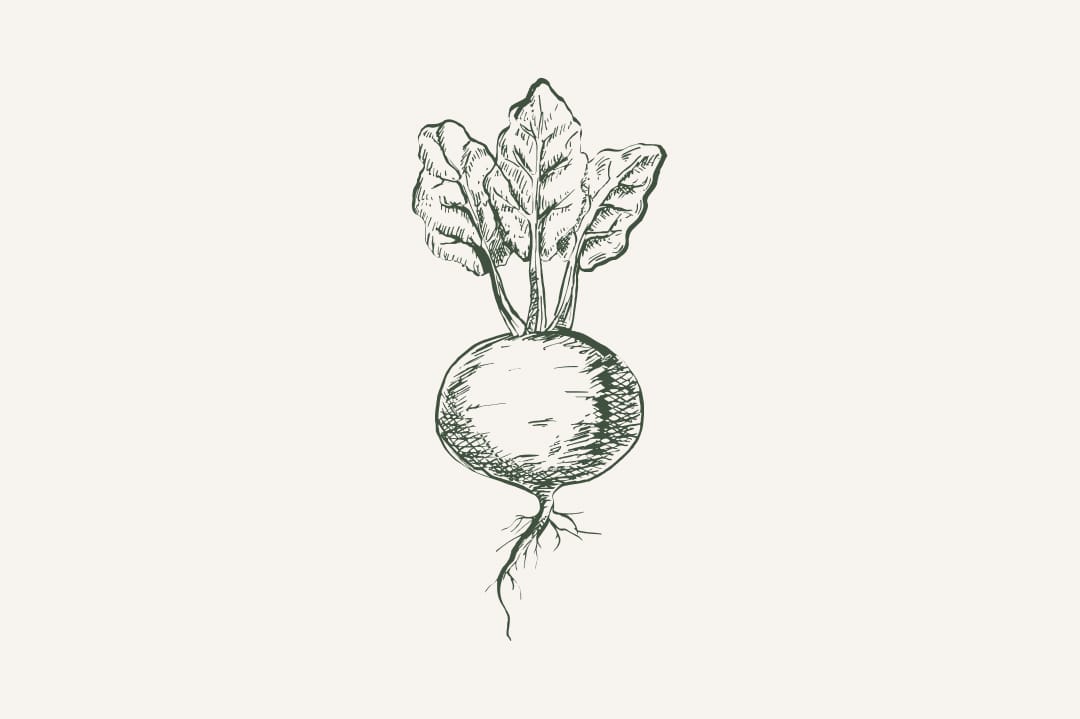
Beetroot: Get to the root of it

I first planted beetroot when I was living in Tasmania. Half of them bolted before I had a chance to do anything with them. The other half came up beautifully, and we roasted them, making sure to enjoy every last piece. Here’s what I’ve worked out since, including what I got wrong.

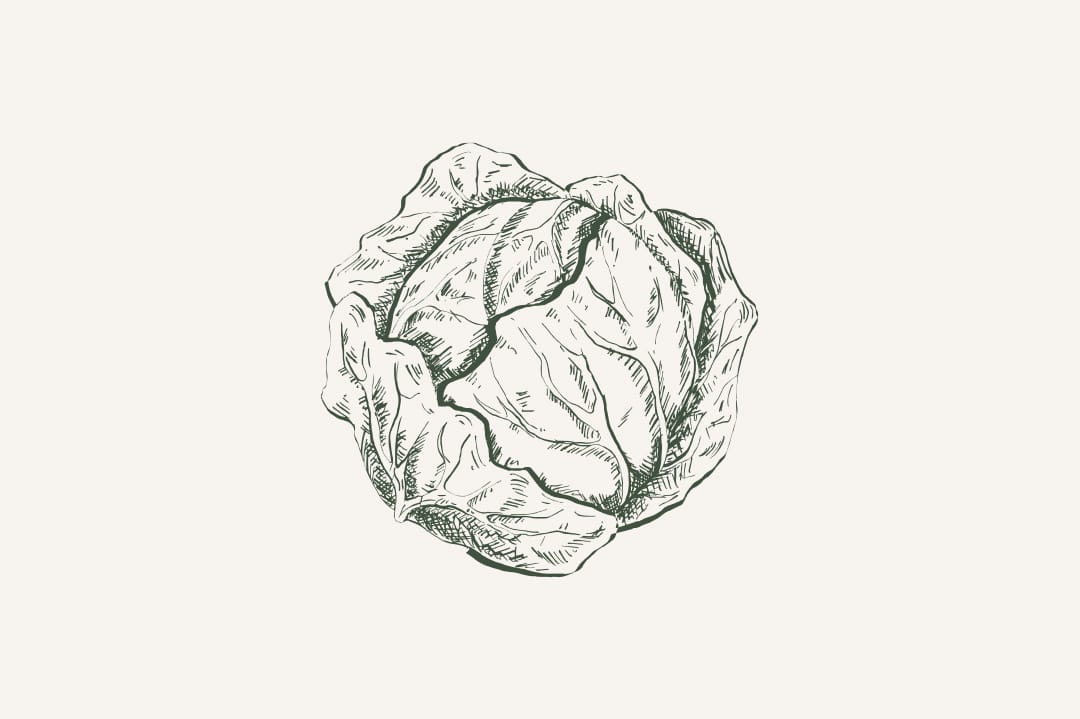
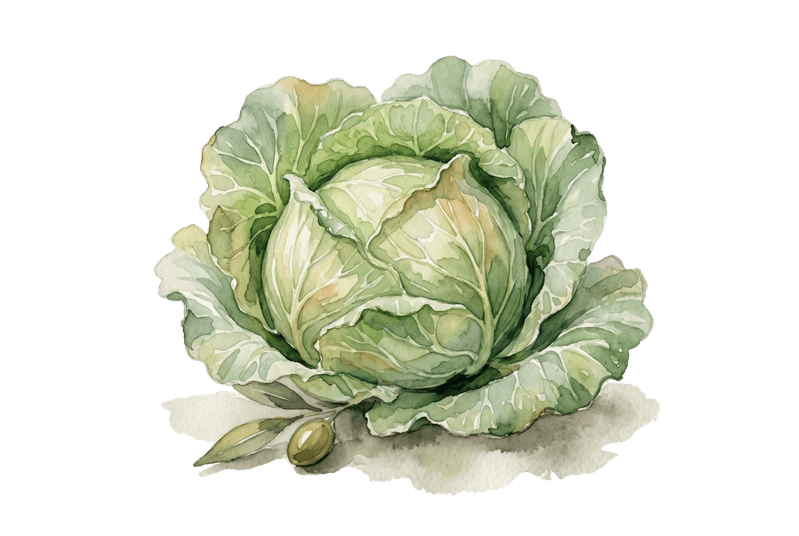
Cabbage: Take a leaf from our book.

I started hopeful with cabbages for the first month. Big leafy plants, filling out nicely, looking like the cover of a seed catalogue. Then the white cabbage moths arrived, and, after all that growing, the cabbage itself was the size of a golf ball, what a let down. This is what I know now that I didn’t know then.

Useful Gardening Guides.

The best time to plant something is usually last season. The second best time is right now, if you know what you’re doing. These guides are built around Australian climates, with the New South Wales Mid North Coast as home base. Whether you’re in the subtropics, a temperate valley, or somewhere that actually gets frost, there’s a season worth growing in.

Hot, humid, and unforgiving if you get the timing wrong. Summer means fast growth, heavy watering, and keeping a close eye on what the heat does to your soil. The right crops in the right beds make all the difference.

The garden finds its feet again in autumn. Temperatures drop just enough to make growing enjoyable, and the soil still has warmth from summer. It’s the season that rewards anyone who plants a little early and stays patient.

Cool nights, reliable rain, and a surprisingly productive patch if you plan for it. Winter is brassica season on the Mid North Coast, and the slower pace suits crops that bolt the moment summer shows up.

Everything wants to grow in spring, including the weeds. Get the beds ready early, watch the soil temperature, and don’t rush the warm-season crops before the last cold snap has actually passed.

More from the farm.