So you want to grow Oregano
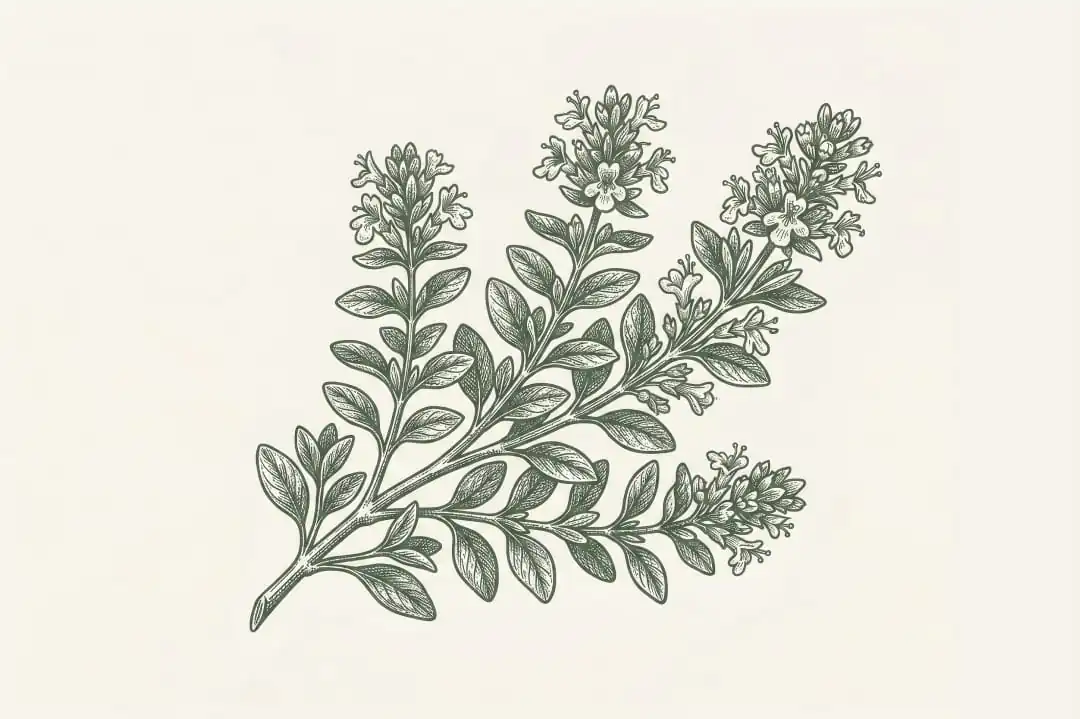
Oregano ~ Origanum vulgare
Family: Lamiaceae
The first oregano I grew, I killed. Not through neglect but through the opposite. Overwatered it until the roots rotted, then assumed the plant was just difficult. It wasn’t. I was. The second attempt I left alone more than I thought was reasonable, and it came back stronger than anything I expected. That’s oregano. It wants sun, it wants to dry out between waterings, and it wants you to stop fussing over it. Do that and it becomes one of the most resilient plants in the herb garden, and one of the hardest to actually finish off for good.

Getting the timing right across Australian climates
On the Mid North Coast, oregano goes in the ground in autumn or spring. Autumn planting gives the roots a full mild winter to establish before the first summer. Spring works too, though new plants need more attention through their first humid, warm season before they find their feet.
Subtropics (NSW coast, SE Queensland):
Autumn is ideal. March to May. Spring from August to October also works. Drainage and airflow matter more in this climate than anywhere else. Oregano will struggle and rot in poorly drained ground through a humid subtropical summer.
Temperate (Sydney, Melbourne, Adelaide):
Spring and autumn. September to November and March to May. Oregano is reliable across temperate Australia and establishes readily with minimal fuss. One of the easier herbs to get going in this climate.
Tropics (Darwin, Cairns, Far North Queensland):
Dry season planting only. April to August. Persistent humidity through the wet season is hard on oregano. It will grow in the dry season but is unlikely to persist long-term in a true tropical climate without careful management of drainage and airflow.
Cool and alpine (Canberra, Tasmania, NSW highlands):
Spring planting once frost risk has passed. Oregano handles cool conditions well and produces intensely flavoured foliage in cool temperate climates. It dies back in winter in colder zones but returns reliably from the roots in spring. Don’t pull it thinking it’s dead.
Variety matters for flavour. Common oregano (Origanum vulgare) is widely available but the flavour varies considerably between plants. Greek oregano (Origanum vulgare subsp. hirtum) is the one worth seeking out. Smaller leaves, more intense flavour, the one that actually tastes like the herb you want in your kitchen. If you’re buying a seedling, crush a leaf and smell it before you purchase. A plant with no discernible scent will not improve once it’s in the ground.

Soil & Fertilising
Oregano is a Mediterranean herb and the soil requirements follow from that. It evolved in thin, rocky, well-drained ground with low fertility and plenty of sun. Rich soil, heavy feeding, and poor drainage all work against it in different ways.
Free drainage is the single most important factor. Soil that holds water after rain is where oregano dies, as I found out firsthand. On the Mid North Coast, clay-heavy ground needs coarse sand and compost worked through it before planting. A raised bed gives you reliable control over drainage and is worth the effort if your native soil is problematic.
pH between 6.0 and 8.0. Slightly alkaline conditions suit it well. A light lime application at planting time is worthwhile in acidic soils. Oregano in acidic ground survives but doesn’t thrive, and the flavour reflects it.
Fertility requirements are low. Rich soil produces abundant soft foliage with weak flavour. The aromatic oils that give oregano its intensity concentrate in response to lean conditions. Skip the manure, skip the high-nitrogen fertilisers, and apply a light dressing of compost at planting time and nothing more. The plant responds to being treated mean, within reason.
Pots work well for oregano, particularly on the Mid North Coast. They allow precise drainage control and can be repositioned for better airflow through humid periods. Use a quality potting mix cut with coarse sand or perlite, and make sure the pot drains freely.

Sun and shade
Full sun. Oregano in shade produces weak, open growth with little flavour and far more susceptibility to the fungal problems that humidity brings. The sunniest, most exposed position in the garden with good airflow is the right spot. This is not negotiable if you want a plant worth cooking with.

Planting
Seedlings or cuttings, skip the seed
Seed-grown oregano is unreliable for flavour. The plant varies significantly from seed, and the result is often a tasteless version of the herb you were after. A nursery seedling from a plant you’ve smelled first, or a cutting from an established plant with good flavour, is the right starting point.
Cuttings root easily. Take a 8 to 10cm cutting from new growth, strip the lower leaves, and push it into coarse propagating mix. Keep moist and sheltered from direct sun for three to four weeks until roots form. Plant out once the root system is established.
When transplanting, plant at the same depth as the pot. Water in well at planting time, then ease back. The instinct to water frequently through the first few weeks is the instinct to resist. Consistent wet soil at this stage is where new plants fail.
Space plants 30 to 45cm apart. Oregano spreads as it matures and benefits from room to develop into a full, open bush with good airflow through the centre. Crowded plants stay wet longer after rain and are harder to harvest cleanly.

Water & Light
Less water than you think. An established oregano plant on the Mid North Coast needs very little supplemental watering once it has been through its first season. Rainfall through the cooler months is usually sufficient. The plant is drought tolerant and actively prefers dry conditions between waterings.
The first summer is where new plants need support. Water deeply once a week through hot, dry periods until the root system is established. After that, pull back significantly. If the plant looks slightly stressed in dry weather, that is normal. If it looks wet and soft at the base, that is a warning.
Avoid overhead watering. Wet foliage in a humid climate invites fungal problems. Water at the base of the plant and keep the foliage dry where possible.
Keep organic mulch away from the base of the plant. It holds moisture at the crown and reduces the airflow that oregano needs. A light gravel mulch around the base is a better option on the Mid North Coast if you want to mulch at all.
Prune after each flowering period, cutting back by about a third into green growth. This keeps the plant productive, open, and better able to dry out after rain. A dense, unpruned oregano bush in a humid climate is an invitation for the problems listed below.

Problems and troubleshooting
Oregano is one of the tougher herbs in the garden. Most problems trace back to moisture and poor airflow. Get those right and there is not much else to manage.
Pests
Cluster on new growth, particularly in spring. They leave behind sticky honeydew which attracts ants and encourages sooty mould on the foliage. A strong jet of water handles light infestations. Neem oil or insecticidal soap for anything more established. Check the undersides of new leaves regularly through the growing season.
More likely during hot, dry conditions. Look for fine webbing on the undersides of leaves and a speckled, faded appearance to the foliage. A strong jet of water dislodges them. Neem oil is effective for persistent infestations. Good airflow and avoiding water stress reduce the conditions mites prefer.
Larvae of small flies that tunnel through leaves, leaving winding pale trails through the foliage. Insecticides can’t reach them once they’re inside the leaf. Remove and bin affected leaves before the larvae complete their cycle and emerge. Keep an eye on new growth where egg-laying tends to concentrate.
White foamy masses on stems through spring. The nymph inside is feeding on plant sap and can spread viruses if numbers build. Wash off with a strong jet of water. On a well-maintained plant they are a nuisance rather than a serious threat.
Diseases
The most common way to lose oregano, particularly in the first season. The plant wilts and collapses despite looking like it should be fine. Watering more makes it worse. Pull the plant and check the roots. Brown and mushy is root rot. There is no recovery. Remove the plant, improve drainage, and start again in a better position or a pot. This is exactly what happened to my first plant and the fix was simple: stop watering so much and sort the drainage.
Grey fuzzy mould on stems and foliage during wet periods. Most common in dense, unpruned plants that stay damp after rain. Prune out affected material, improve airflow, and keep the interior of the plant open. Regular pruning prevents it more effectively than any treatment after the fact.
White powdery coating on leaves in warm, humid conditions with poor airflow. Adequate spacing and regular pruning reduce it. A baking soda spray at early signs helps. Remove badly affected stems and improve the plant’s position if it recurs.
Non-pest problems
Without regular pruning, oregano becomes increasingly woody with new growth only at the tips. Prune by a third after each flowering period, always cutting into green growth rather than bare wood. Regular light pruning keeps the plant productive for years. Neglect it long enough and the only option is to start again from a cutting.
A common disappointment with nursery-bought plants. The variety may simply be a low-flavour strain of common oregano. Crush a leaf before purchasing. If it doesn’t smell strongly of oregano in the nursery, it won’t improve at home. Greek oregano (Origanum vulgare subsp. hirtum) is the variety to seek out. Rich soil and heavy feeding also dilute flavour in any variety. Lean conditions and full sun concentrate the oils.
In cooler zones oregano dies back to the ground in winter and returns from the roots in spring. This is normal behaviour and not a sign the plant is dead. Leave the root system undisturbed through winter and it will reshoot when conditions warm. On the Mid North Coast this is rarely an issue as winters are mild enough to keep the plant in active growth.
When and how to harvest
Oregano can be harvested from the moment the plant is established and producing reasonable growth. The same rule applies as with all perennial herbs: never take more than a third of the plant at once. Regular harvesting encourages the plant to bush out and produce more, so frequent light picking is better than occasional heavy cutting.
Cut stem tips with sharp scissors or secateurs just above a leaf node. The plant branches from this point and becomes denser with each harvest. Pulling or tearing damages the stems and leaves ragged wounds that can let disease in.
The best flavour comes just before the plant flowers. Oil content peaks at this point and the leaves have the most intensity. Once flowering is well underway the flavour softens slightly, though the herb remains perfectly usable. Harvest heavily just before flowering and dry that batch for storage.
Harvest in the morning after the dew has dried. For fresh use the timing matters less. For drying, morning harvesting gives better flavour retention in the dried product.

Companion plants
- Rosemary
- Thyme
- Sage
- Tomatoes (strongly complementary)
- Capsicum and eggplant
- Brassicas (deters aphids and cabbage moth)
Plants that aren’t friends
- Mint (spreads aggressively and has very different water requirements)
- Cucumbers and zucchini (heavy water needs conflict with oregano’s preference for dry conditions)
- Fennel — keep well away from the herb garden

In the kitchen
Oregano is one of the few herbs that is arguably better dried than fresh for certain applications. The drying process concentrates the oils and intensifies the flavour in a way that works particularly well in slow-cooked dishes, on pizza, and through tomato sauces. Fresh oregano has its place too, but knowing when each version suits the dish is part of learning to cook with it properly.
Fresh stems keep in the fridge for up to two weeks wrapped loosely in a damp cloth. For longer storage, drying is the obvious solution and oregano dries exceptionally well. Tie small bundles and hang upside down in a warm, airy spot for two weeks. Strip the dried leaves and store in a sealed jar away from light. Properly dried homegrown Greek oregano is noticeably better than anything from a supermarket shelf. It keeps its flavour for a year.
Oregano oil
Fresh stems packed into a bottle and covered with good olive oil. Leave in a cool, dark spot for two weeks. Strain and use within a month, refrigerated. Goes on pizza, through pasta, over grilled vegetables, or as a dipping oil for bread. Make small batches and use them promptly.
Oregano salt
Dried oregano leaves mixed with coarse salt at roughly one part herb to three parts salt. Keeps for months in a jar. Reaches for itself on grilled lamb, roasted vegetables, and anything going on the barbecue. One of the more useful things to have in the pantry from the herb garden.
Dried oregano bundles
Worth making a batch specifically for drying just before the plant flowers each season. That harvest dried and stored properly will last you through the year and means you’re never reaching for a jar of something that smells of very little.
With tomatoes
The classic combination and genuinely hard to improve on. Oregano and tomatoes grown in the same garden and cooked together is a different thing from dried herb and tinned tomatoes. A simple pasta sauce made with fresh tomatoes, garlic, olive oil, and a generous handful of oregano is one of the better arguments for growing your own food.
On pizza
Dried oregano goes on after baking, not before. Add it to hot pizza straight from the oven and the residual heat releases the oils without burning off the flavour. A heavy hand is appropriate here. Homegrown dried Greek oregano on a good pizza is the point where the herb stops being background and starts being the whole point.
With lamb
Greek oregano on lamb is as straightforward as it sounds and as good as it always has been. Mix with lemon juice, garlic, and olive oil for a marinade, or simply press dried leaves into the fat of a shoulder before roasting. The herb handles the richness of lamb well and holds up through long cooking.
Fresh in salads
Fresh oregano used sparingly in a Greek-style salad alongside tomato, cucumber, olive, and feta. A small amount goes further than most herbs because the flavour is assertive. Strip leaves directly from the stems and scatter over the top rather than mixing through. It holds its own against the salt of the feta and the acidity of a good red wine vinegar dressing.