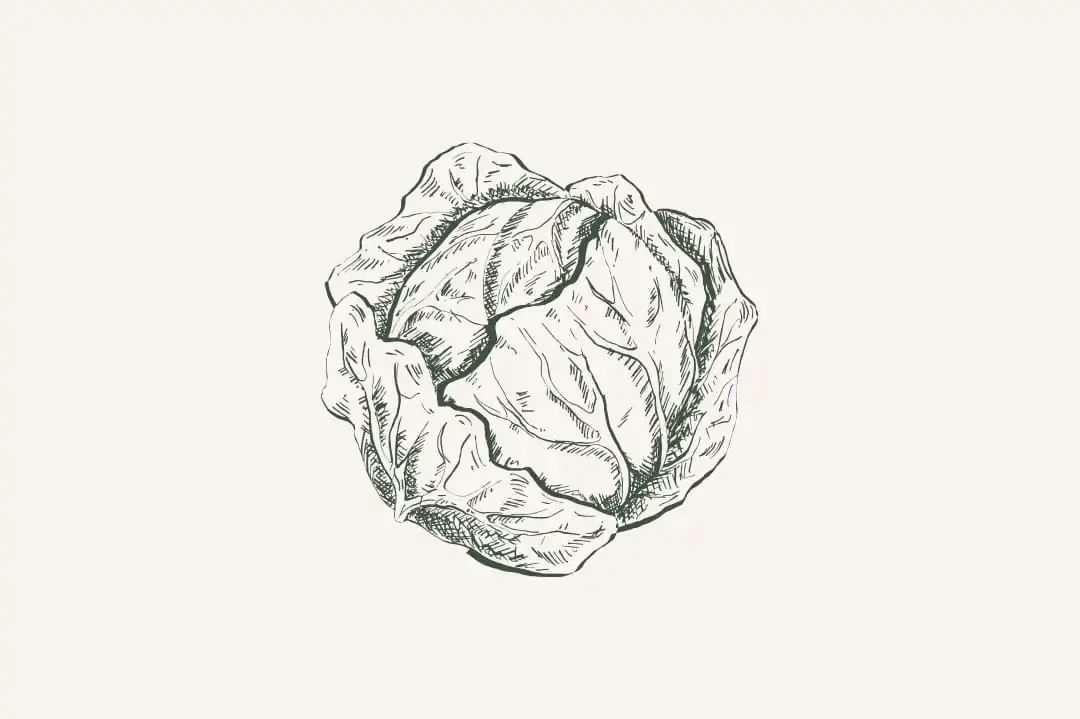
So you want to grow Cabbage
Cabbage ~ Brassica oleracea
Family: Brassicaceae
We’re on the Macleay Valley, NSW Mid North Coast. Warm, humid summers that are genuinely brutal for cool-season brassicas, and mild winters that are nearly perfect for them. Cabbage is one of those vegetables where the season matters more than the effort. Get the timing right and the growing is relatively straightforward. Get it wrong and you’re managing stress, pests, and split heads from start to finish.
The sweet spot here is autumn through winter and into early spring. Our days cool off enough to stop the plant bolting or giving up, and the nights are mild enough that cold damage isn’t a concern. February onwards is when we start, once the summer heat is genuinely easing rather than just pretending to.
Cabbage also handles the kind of tropical downpours we get better than some brassicas, provided drainage is good. The risk isn’t rain, it’s inconsistent rain followed by heavy rain, which is exactly when heads split.
Note on brassica rotation: don’t follow any brassica with another brassica. That means no planting cabbage where you had broccoli, kale, cauliflower, or Asian greens the previous season. The disease and pest pressure compounds quickly without rotation.

Getting the timing right across Australian climates
Subtropics (NSW coast, SE Queensland):
Autumn into winter. February to August. Keep it out of summer entirely.
Temperate (Sydney, Melbourne, Adelaide):
Late summer through autumn and winter. February to June for autumn planting. July to September for spring.
Tropics (Darwin, Cairns, Far North Queensland):
Dry season. April to August only. The wet season will destroy it before you harvest a single leaf.
Cool and alpine (Canberra, Tasmania, NSW highlands):
Spring through summer. August to January. Cabbage actually prefers this climate and will grow larger and more reliably here than almost anywhere else.
One thing worth knowing for warmer zones: early varieties mature faster and get out of the ground before conditions deteriorate. Drumhead and Copenhagen Market types suit the coast. Save the massive drumheads and long-season varieties for cooler climates where they have the time to develop properly.

Soil & Fertalising
Cabbage is a heavy feeder. It wants rich, firm soil with decent organic matter, consistent moisture retention, and good drainage. That combination sounds contradictory. It isn’t. What you’re after is soil that holds enough moisture between waterings but doesn’t sit wet.
On the Mid North Coast, clay-heavy soils need compost worked through them before planting. Raised beds are worthwhile here, especially if your patch gets rain pooling after a downpour.
Work compost and aged manure through the bed two to three weeks before transplanting. We use horse and sheep manure from the property. Fresh manure near planting time risks burning roots and can encourage leafy growth at the expense of head development.
pH should sit between 6.5 and 7.5. Slightly alkaline conditions also help suppress clubroot, a soil-borne disease that will follow brassicas around your garden for years if you let it establish. If you’ve had clubroot before, a lime application to raise pH is worthwhile. If you haven’t, keep rotating and hope it stays that way.
Calcium matters more for cabbage than it does for most vegetables. Tip burn, where the inner leaves develop brown papery edges, is a calcium deficiency issue, often made worse by irregular watering that stops the plant absorbing calcium even when it’s present. Good watering habits matter as much as soil prep.

Sun and shade
Full sun, full stop. Cabbage will survive part shade but it grows slowly and the heads stay loose and soft. In our autumn and winter growing season, there’s no reason to sacrifice sun.

Sowing & Planting
Seedling are best
Seedlings are the practical choice. Starting from seed is fine, and if you want to grow unusual varieties it may be your only option, but transplanting seedlings gives you a head start and sidesteps the germination window that slugs tend to exploit.
If you’re raising from seed: sow in trays four to six weeks before your intended planting date. Keep warm and moist until germination, which takes five to ten days. Grow on in a sheltered spot until seedlings have four to six true leaves.
When transplanting, plant firmly. Cabbage benefits from solid contact between roots and soil. Loose planting leaves air pockets and slows establishment. Water in thoroughly at planting time and keep moisture consistent for the first week.
Spacing: 40 to 50cm between plants, 60 to 70cm between rows. Cabbage fills out more than beginners expect. The temptation to squeeze more plants in is real. It leads to smaller heads, worse airflow, and a pest management situation that becomes difficult quickly.
Planting depth: the lowest leaves should sit just above soil level. Burying the stem too deep encourages rot in wet conditions.

Water
Water consistently and deeply rather than often and shallow. Shallow watering encourages shallow roots. Deep watering once or twice a week depending on conditions, ensuring moisture penetrates to root depth, is better than a daily sprinkle that never gets below the surface.
Mulch around plants once they’re established. Straw works well here. Keep it clear of the base of the stem to avoid rot and slugs using it as a hiding spot right next to your plants. Which they will. Given the option they absolutely will.
Avoid overhead watering where possible. Wet foliage is an invitation for fungal disease, and we have enough humidity on the Mid North Coast without adding to it.

Problems and troubleshooting
This is where cabbage earns its reputation as a slightly high-maintenance relationship. The fundamentals are simple. The pest list is not.
Pests
The two main offenders, and on the NSW coast they are relentless. The adult butterflies are the small white ones you see fluttering through the garden looking innocent. They are not innocent. They lay eggs on the undersides of leaves and the resulting caterpillars (green and well-camouflaged) eat methodically through leaves, then heads, then your patience.
Check the undersides of leaves every few days. Crush egg clusters on sight. Dipel (Bacillus thuringiensis) is an organic-approved biological control that works specifically on caterpillars and is safe around everything else in the garden. Apply in the late afternoon when caterpillars are feeding.
Fine exclusion netting over the entire bed from the moment of planting is the most effective solution. It keeps butterflies off entirely. We use it now without exception. The five minutes of setup at planting time saves hours of pest management across the season.
Grey-green or bluish cabbage aphids cluster on leaves and inside developing heads. They reproduce fast. A minor infestation becomes a major one in days. Strong jets of water work on light infestations. Neem oil is effective for anything more serious. If they’ve worked their way into the head itself, you have a harder problem. That head will need a very thorough wash at harvest.
Consistent problem from the moment seedlings go in the ground. They target transplants at soil level and can remove a seedling overnight. Iron chelate-based baits are safe around animals and effective. Check beds after rain and in the evening during the first few weeks.
On a rural NSW property they are present and they do find brassicas appealing. Netting is your only reliable solution. A possum that has found your cabbage bed will return every night until there is nothing left. They’re not casual grazers. They’re committed. I have seen them jump electric fences to get to food, it’s worth the shock to them.
Brush turkeys (for those further north) If you’re in subtropical Queensland or the Far North Coast, brush turkeys will dig out seeds and seedlings with impressive dedication. Netting or physical barriers from day one. There’s no negotiating with them.
Diseases
A soil-borne fungal disease that causes swollen, distorted roots and wilting plants that can’t be saved. It’s the disease brassica growers dread most because it persists in soil for up to twenty years. Prevention is everything. Maintain pH above 6.5, rotate brassicas around the garden on a minimum four-year cycle, never bring soil from other gardens in without knowing its history.
If you see it, remove the affected plants entirely, roots included, and bin them. Do not compost them. Consider that bed out of rotation for brassicas for a long time.
Bacterial disease causing V-shaped yellow lesions at leaf margins and blackened veins. Spread by water splash and infected transplants. Once it’s in the plant there’s no treatment. Remove and destroy affected material, improve airflow, avoid overhead watering, and source transplants from reputable suppliers.
White powdery coating on leaves. More common in warmer and drier conditions. Improve air circulation through adequate spacing and avoid water stress. A baking soda and water spray (1 teaspoon per litre) is a reasonable early intervention.
Non-pest problems
Heads that develop a crack then split open, usually after heavy rain following a dry period. The cause is exactly what it sounds like: the plant drinks up water fast after a drought period and the head grows faster than the outer leaves can accommodate. Consistent watering prevents it. If a head has already reached maturity and heavy rain is forecast, harvest it.
Usually a combination of too much heat and not enough time. Cool conditions produce tight, dense heads. Warm conditions produce leafy, loose ones. Timing is the fix. In warm zones, plant as early as February once the heat is genuinely dropping, and choose compact early varieties.
Brown papery edges on inner leaves. Calcium deficiency, nearly always linked to inconsistent watering. Consistent moisture and good soil preparation are the fix.
When and how to harvest
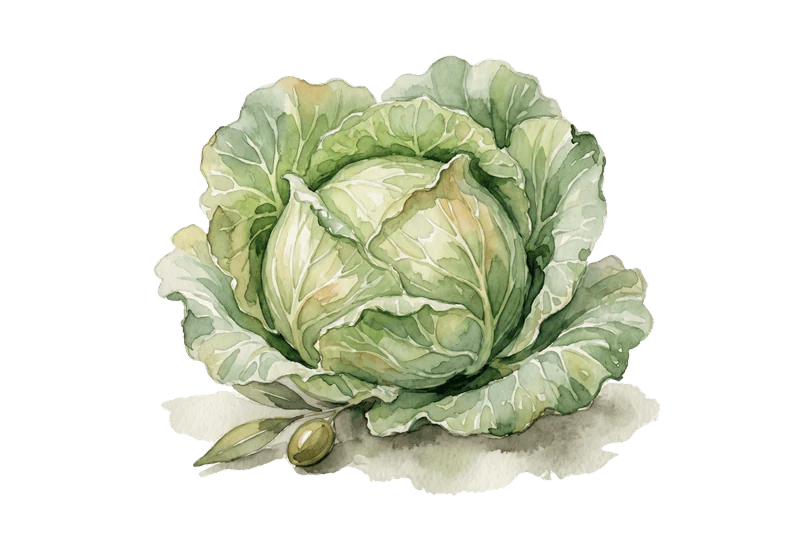
Cabbage is ready when the head is firm and solid. Press it with your palm. If it gives, it needs more time. If it feels like it might resist pressing back, it’s ready.
Outer leaves will start to fold inward and cup around the head as it reaches maturity. The head will feel heavy for its size.
Cut the head from the stem at the base with a sharp knife, leaving a few of the outer leaves attached for protection. Leave the stump and root system in the ground. Many varieties will sprout smaller secondary heads from the stump after the main harvest. They won’t be as large, but they’re worth having.
Head sizes vary by variety. Compact types like Sugarloaf or Savoy Perfection are harvested at smaller sizes. Traditional drumhead types are harvested larger. Know what you planted and match your expectations accordingly.

Companion plants
- Celery
- Dill
- Chamomile
- Onions
- Garlic,
- Aromatic herbs generally.
Plants that aren’t friends
- Strawberries
- Tomatoes
- Climbing beans
- Fennel in particular is antagonistic to nearly everything and should be kept well away from brassicas.

In the kitchen
Cabbage is one of the most underrated vegetables in the garden. It has a reputation for being dull because most people have only ever eaten it overcooked, at which point it does become grey, sulphurous, and deserving of its reputation. Cooked properly, it’s a genuinely useful vegetable with a long list of applications.
A whole head keeps in the fridge for two to three weeks. Outer leaves will dry and soften but the inner head stays firm. In cool weather, cabbages can be stored in a cool, dark shed for a month or more. Don’t wash until you’re ready to use.
Sauerkraut
The obvious ferment, and worth making. Finely shred, salt at roughly 2% by weight, massage until brine develops, pack into a jar, and weigh it down below the brine. Two weeks at room temperature. The result keeps for months in the fridge and is better for you than most things in it. Once you’ve made a successful jar, it becomes a habit.
Kimchi
A more involved version of the same idea with Korean chilli, garlic, ginger, and spring onion. It takes an afternoon to make and lasts months. Napa cabbage (wong bok) is traditional but standard cabbage works well.
Braised
Slow-cooked cabbage with butter, a splash of stock, and something acidic like apple cider vinegar or a wedge of lemon is completely different from boiled cabbage. Thirty minutes on low heat produces something sweet and silky. Red cabbage braised with apple and red wine vinegar is a dish that earns its place at the table alongside roast pork or lamb.
Coleslaw done properly
Not the white-as-a-lab-coat version swimming in commercial mayonnaise. Finely shredded cabbage, carrot, spring onion, and a dressing made with good mayo, a bit of Dijon, and apple cider vinegar. Salt the cabbage first and let it drain for twenty minutes before dressing. It makes a noticeable difference to the texture.
Stir-fried
High heat, a little oil, a small amount of garlic and ginger, and cabbage cut into rough wedges rather than shredded. Two to three minutes. It caramelises at the edges and stays slightly crisp in the middle. It’s the best argument against ever boiling cabbage again.
One practical note:
Outer leaves that are too tough for eating make good compost, but only if there’s no sign of disease. Anything with black rot or clubroot goes in the bin, not the pile.