
So you want to grow Rosemary
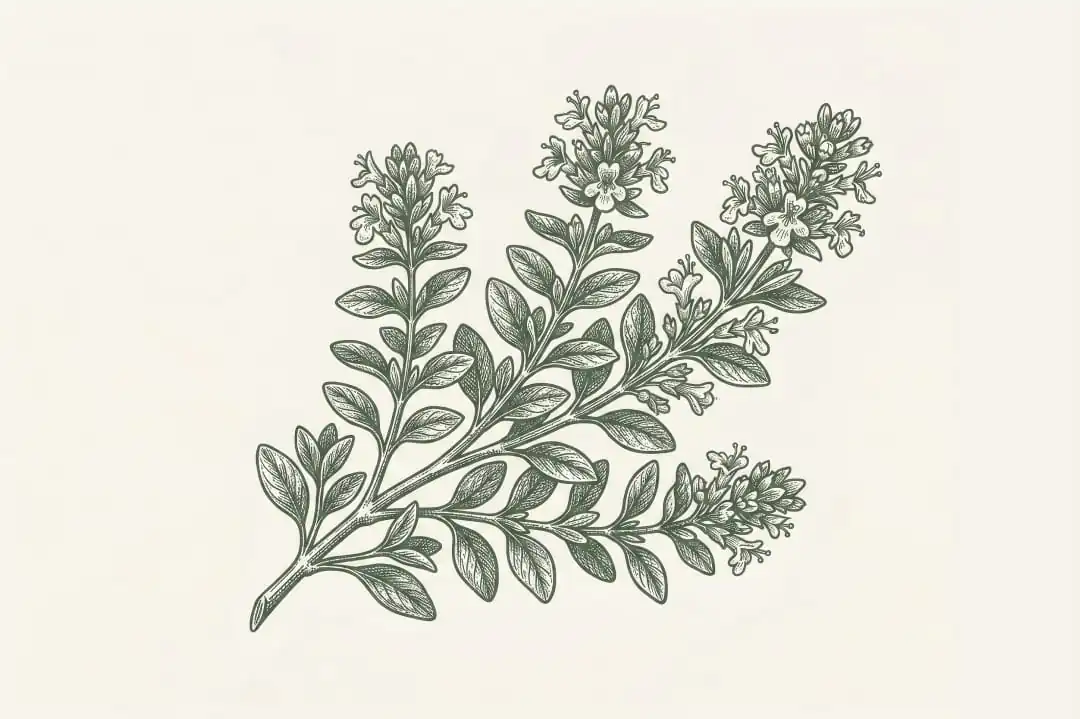
Rosemary ~ Salvia rosmarinus
Family: Lamiaceae
Rosemary is the plant that makes you feel like you know what you’re doing. Put it in the ground, largely ignore it, and it grows into something substantial, fragrant, and useful. On the Mid North Coast it thrives without much encouragement, which is a relief when other things in the garden are demanding constant attention. The main ways people kill it here are overwatering and planting it in ground that stays wet. Get those two things right and rosemary will outlast most of what else you’re growing.

Getting the timing right for growing Rosemary across Australian climates
On the Mid North Coast, rosemary can go in the ground almost any time except the peak of summer. Autumn and spring are ideal. Autumn planting gives the roots time to establish through the mild winter before summer arrives. Spring planting works well too, though new plants will need more attention through their first hot season.
Subtropics (NSW coast, SE Queensland):
Autumn through spring. March to October. Avoid planting during the hottest and most humid months. Established plants handle the summer but new plantings struggle to get roots down when the heat is on.
Temperate (Sydney, Melbourne, Adelaide):
Spring and autumn. September to November, March to May. Rosemary is well suited to temperate Australia and grows reliably across most of this zone year-round once established.
Tropics (Darwin, Cairns, Far North Queensland):
Rosemary is difficult in true tropical conditions. High humidity and heat combined are harder on it than either factor alone. The dry season gives it the best chance. Many growers in the tropics treat it as a short-term plant rather than the long-lived perennial it becomes elsewhere.
Cool and alpine (Canberra, Tasmania, NSW highlands):
Spring planting once frost risk has passed. Rosemary handles cold well once established but young plants are vulnerable to hard frosts. In alpine areas, plant in a sheltered, north-facing position with good drainage.
One thing worth knowing: rosemary is a long-term commitment. A well-planted bush on the Mid North Coast will grow for ten or more years and reach a metre or more in height and spread. Plant it somewhere you want it to stay, with enough room around it to develop fully. It does not enjoy being moved once it’s established.

Soil & Fertilising for Rosemary
Rosemary is a Mediterranean plant. It evolved in thin, alkaline soils on rocky hillsides with excellent drainage and not much rain. That background tells you everything about what it needs and what will kill it.
To grow rosemary successfully, Free-draining soil is non-negotiable. Ground that holds water after rain will rot the roots and kill the plant slowly from below. On the Mid North Coast, heavy clay soils need significant amendment, work in coarse sand and compost before planting, or plant in a raised bed. If your soil pools water after a downpour, rosemary will not thrive in it without intervention.
pH should sit between 6.0 and 8.0. Slightly alkaline suits it well. Lime can be added to raise pH in acidic soils. This is one vegetable garden plant that genuinely prefers the higher end of the pH range. Check out our ph test guide for more details
Rosemary does not need rich soil. In fact, overly fertile soil produces lush, soft growth that is more susceptible to disease and less aromatic than growth produced in leaner conditions. Do not add heavy doses of compost or manure at planting time. A light dressing of compost is enough. Leave the horse manure for the vegetables that need it.
Fertilising is minimal. A light application of a balanced slow-release fertiliser in spring is sufficient. Plants fed heavily produce more foliage but less flavour. Lean feeding keeps the oils concentrated.

Sun and shade requirements for Rosemary
Full sun. Rosemary planted in shade becomes leggy, weakly flavoured, and more prone to fungal problems. On the Mid North Coast there’s no reason to compromise on this. Find it the sunniest, most exposed position you have with good airflow and it will reward you for years.

Planting Rosemary
Seedlings or cuttings — skip the seeds
Growing rosemary from seed is slow, unreliable, and rarely worth the effort. Germination rates are low, seedlings are fragile, and you’ll wait a long time for a plant that’s useful in the kitchen. Buy a seedling from a nursery or, better, take a cutting from an established plant.
Cuttings are easy and fast. Take a 10 to 15cm cutting from a healthy stem, strip the lower leaves, and push it into a pot of coarse propagating mix. Keep it moist and out of direct sun until roots develop, usually four to six weeks. Once it has a solid root system, plant it out.
When planting out, dig a hole wider than the rootball and no deeper. Plant at the same level it was in the pot. Firm the soil around it and water in well. After that initial watering, step back. Overwatering a newly planted rosemary is the most common way to lose one.
Space plants at least 60 to 90cm apart. A single well-grown bush provides more rosemary than most households can use. Two plants is generous. Five is a hedge.

Water & Light
Once established, and by established I mean through its first full summer, rosemary needs very little supplemental watering on the Mid North Coast. Rainfall is usually enough. The plant is drought tolerant and actively prefers to dry out between waterings rather than sit in consistently moist soil.
The first summer is the exception. Water new plants deeply once a week through hot, dry periods until the root system has had time to develop. After that, pull back and let the plant find its own level.
Do not mulch heavily around the base of rosemary. Unlike most garden plants, it benefits from good airflow at the crown. Mulch that traps moisture at the base of the stem encourages the crown rot that kills established plants. A light gravel mulch around the base is better than organic mulch if you want something there at all.
Pruning is part of water management. A rosemary bush that is never pruned becomes a large, woody plant with a dense interior that doesn’t dry out after rain. Cut it back by a third after flowering each season to keep it open, vigorous, and productive.

Problems and troubleshooting
Rosemary is one of the lower-maintenance plants you can grow. Most problems trace back to moisture, too much of it, sitting in the wrong place.
Pests
Cluster on new growth in spring. Rosemary’s oils reduce its attractiveness but heavy aphid pressure in the garden will find it eventually. A strong jet of water handles light infestations. Neem oil for anything more persistent. Rarely a serious problem on a well-positioned, healthy plant.
Small wedge-shaped insects that jump when disturbed. They feed on sap and leave stippled, yellowing patches on the foliage that can be mistaken for spider mite damage. Yellow sticky traps near affected plants confirm their presence. Neem oil or insecticidal soap applied to the undersides of leaves is effective. Good airflow and avoiding overcrowding reduce pressure.
More common during hot, dry periods. Fine webbing on the undersides of leaves and a speckled or bronzed appearance to the foliage are the signs. Dislodge with a strong jet of water. Neem oil is effective for persistent infestations. Keeping plants from becoming water-stressed reduces their vulnerability.
White foamy masses on stems through spring. The nymph inside feeds on sap and can spread plant viruses. Wash off with water. A nuisance on a healthy plant rather than a serious threat, but worth checking for through the growing season.
Diseases
The main killer of rosemary in humid climates. The plant wilts, turns grey-brown from the base up, and dies. It looks like drought stress but watering makes it worse. The cause is consistently wet roots, usually in heavy soil or a poorly drained position. There is no recovery once it’s established. Remove the plant, improve the drainage, and start again somewhere better suited.
White powdery coating on foliage, more common in humid conditions with poor airflow. Regular pruning to keep the plant open reduces it significantly. A baking soda spray at the first sign is a reasonable early response. Badly affected stems should be cut back and disposed of.
Grey fuzzy mould on stems and foliage, usually after prolonged wet weather. More common on older, woodier growth in the dense interior of unpruned plants. Prune out affected material and improve airflow. This is another reason to keep the plant trimmed and open rather than letting it become a solid mass.
Non-pest problems
Rosemary that is never pruned becomes increasingly woody with productive growth only at the tips. The solution is regular pruning — cutting back by a third after flowering each year keeps the plant producing fresh growth throughout. Hard pruning into old wood doesn’t always recover well, so it’s better to prune regularly than to neglect and then try to correct.
Rosemary grown in rich soil, heavily fertilised, or in part shade produces lush growth with noticeably less aromatic intensity. The oils that give rosemary its flavour concentrate in response to lean conditions, heat, and sun. If your rosemary smells weak, look at where it’s growing and what you’re feeding it.
A rosemary plant that has been growing well for several years and then suddenly dies back is almost always root rot. It can look fine until it doesn’t — the internal root damage is invisible until it’s too far gone. Pull the plant, check the roots. If they’re brown and mushy rather than firm and white, drainage was the problem. Amend the bed before replanting.
When and how to harvest
Rosemary is harvestable any time the plant has enough growth to spare. The general rule is never take more than a third of the plant at once. Frequent light harvesting actually encourages the plant, it responds to cutting by pushing new growth.
Cut from the tips of stems rather than tearing or snapping. A clean cut with sharp secateurs or scissors just above a leaf node encourages the stem to branch from that point. Over time, regular harvesting shapes the plant and keeps it producing from multiple points rather than becoming bare and leggy from the base.
The best flavour comes from young growth at the tips. Older, more woody stems are usable but the needles are tougher. For cooking, go for the softer new growth. For infusions or making rosemary oil, the woodier stems work well.
Harvest in the morning after the dew has dried but before the heat of the day. Oil content is highest then. For fresh use it makes little difference. For drying it matters, the flavour retention is noticeably better.

Companion plants
- Sage
- Thyme
- Lavender
- Brassicas (repels cabbage moth)
- Beans
- Carrots
Plants that aren’t friends
- Mint (aggressive spreader, competes and can harbour moisture)
- Basil (different water requirements – rosemary’s drought preference conflicts with basil’s moisture needs)
- Cucumbers and pumpkins (heavy water requirements are incompatible with rosemary’s drainage needs)

In the kitchen
Fresh rosemary from the garden is more intense than anything dried in a jar. The oils haven’t had months to dissipate. A little goes further, which is worth knowing when you first start cooking with a plant you’ve grown yourself and accidentally put too much in something.
Fresh stems keep in the fridge for one to two weeks wrapped loosely in a damp cloth or standing in a small amount of water. For longer storage, dry it: tie small bundles and hang upside down in a warm, dry spot with good airflow for two weeks. Strip the dried needles from the stems and store in a sealed jar away from light. Properly dried rosemary keeps its flavour for six months to a year.
Rosemary oil
Pack fresh stems into a clean bottle and cover completely with good olive oil. Leave in a cool, dark place for two weeks. The oil takes on the flavour and is excellent for roasting, bread dipping, and finishing dishes. Use within a month and keep refrigerated once opened. Fresh herb oils can harbour bacteria if left at room temperature — make small batches and use them.
Rosemary salt
Strip fresh needles and blend roughly with coarse salt — about one part rosemary to four parts salt. Spread on a tray and leave to dry at room temperature for a day before storing in a jar. Keeps for months. Goes on everything: roast potatoes, lamb, eggs, bread.
Rosemary vinegar
Stems in white wine vinegar for two weeks. Strain and bottle. Useful in dressings and marinades, particularly with chicken and pork.
With lamb
The classic pairing, and classic for good reason. Push whole sprigs under the skin of a shoulder or leg before roasting, or bruise a few stems and add them to the pan. The fat carries the flavour through the meat. If you’re raising sheep on the property, this combination becomes something you appreciate differently.
Roast potatoes
Fresh rosemary, garlic, good oil, salt. Parboil the potatoes, rough up the edges, toss with everything, roast hot. The rosemary crisps at the edges and the kitchen smells like something worth eating.
Focaccia
Press fresh rosemary needles into the dough before the final prove. A generous amount — more than you think. Sea salt flakes and good olive oil. One of the more satisfying things to make from the garden with very little effort.
Rosemary simple syrup
Equal parts sugar and water, brought to a simmer with a few sprigs until the sugar dissolves. Cool and strain. Works in cocktails, over grilled stone fruit, drizzled on vanilla ice cream. Worth having in the fridge through summer.