So you want to grow Meyer Lemon
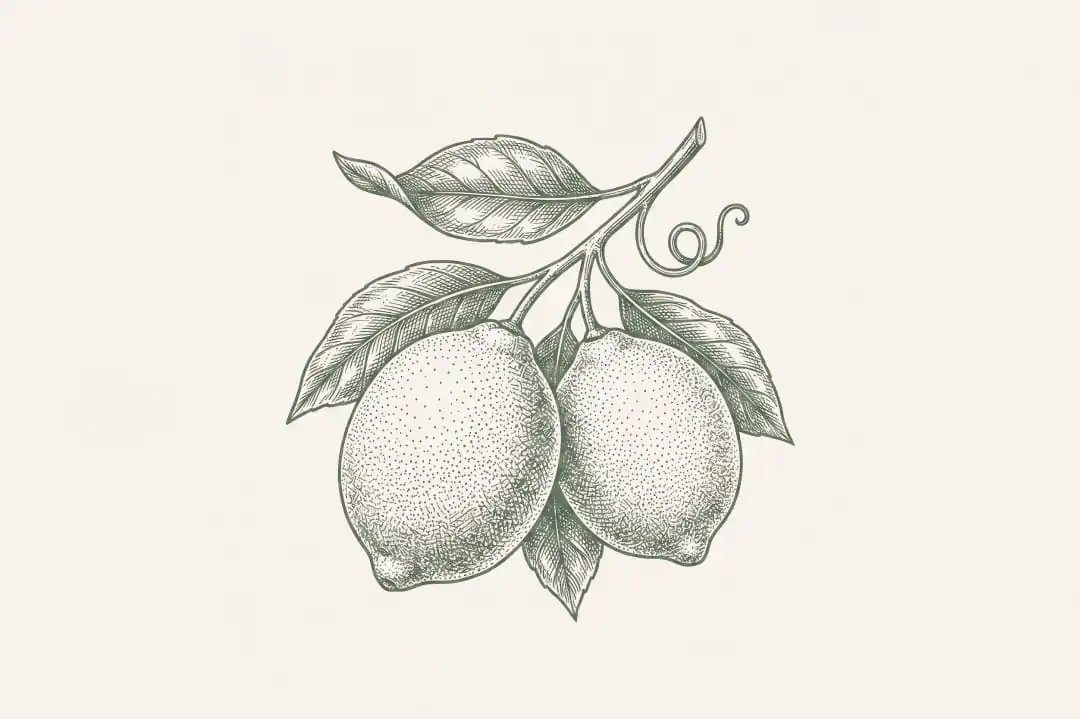
Meyer Lemon ~ Citrus x meyeri
Family: Rutaceae
I have killed more lemon trees than I care to admit. Not through neglect exactly, but through a combination of ignorance and overconfidence that seemed to attract every problem the tree could possibly have. Leaf curl. Black spot. Ants farming aphids up and down every stem. Then gall wasp, which I didn’t even recognise until the damage was already done. Lemons have a reputation for being easy. Mine were not easy. What I’ve worked out since is that most of the problems were the same problem in different forms — stress. A citrus tree under stress is a citrus tree broadcasting an invitation. Fix the stress and most of the rest follows. I’m still learning, but the trees are finally starting to look like trees rather than a list of symptoms.
[PHOTO: Meyer lemon tree on the property — showing current state, fruit or flowers if present]

Why Meyer lemon suits the Mid North Coast
Meyer lemon is a hybrid, believed to be a cross between a lemon and a mandarin or sweet orange. The result is a tree that is more cold-tolerant than a true lemon, produces fruit with thinner skin and sweeter, less acidic juice, and flowers more reliably in subtropical conditions. For the Mid North Coast, it is the most practical lemon to grow. Standard Eureka and Lisbon lemons produce well here too, but Meyer handles the humidity better and tends to be more forgiving of the conditions that would stress a true lemon.
Our climate suits citrus well in principle. Mild winters, warm summers, reasonable rainfall. The challenge is humidity through summer and the pest pressure that comes with it, particularly gall wasp, which is well established across coastal NSW and requires active management rather than occasional attention.
Getting the timing right across Australian climates
Meyer lemon is planted as a tree rather than sown from seed, so timing is about when to plant rather than when to sow. Spring is the preferred planting time across most of Australia. The tree has a full warm season to establish before its first winter.
Subtropics (NSW coast, SE Queensland):
Spring planting from August to October. Autumn planting from March to April also works, though the tree will have less time to establish before cooler weather. Avoid planting in the peak of summer heat.
Temperate (Sydney, Melbourne, Adelaide):
Spring. September to November. Meyer lemon handles mild frosts once established but young trees need protection through their first winter in cooler temperate zones.
Tropics (Darwin, Cairns, Far North Queensland):
Meyer lemon is less reliable in true tropical climates. It needs a degree of seasonal temperature variation to trigger reliable flowering. Dry season planting and management in a sheltered position gives it the best chance, but consistent fruiting cannot be guaranteed.
Cool and alpine (Canberra, Tasmania, NSW highlands):
Spring planting in a sheltered, north-facing position. Meyer lemon is the most cold-tolerant of the lemons but sustained hard frosts will damage or kill it. Container growing allows the tree to be moved under cover in winter, which is a practical option in marginal climates.
Meyer lemon flowers and fruits in cycles rather than in a single annual season. On the Mid North Coast, the main fruiting period runs from late autumn through winter. The tree may produce smaller flushes at other times of year. This extended season is one of its advantages over other citrus varieties.

Soil & Fertilising
Citrus are heavy feeders and Meyer lemon is no exception. Getting the soil and fertilising program right is the single biggest factor in producing a healthy, productive tree. Most of the problems I encountered early on traced back to inconsistent feeding and soil that wasn’t draining well enough.
Free-draining soil is essential. Citrus roots sitting in waterlogged ground develop root rot quickly, which weakens the tree and opens it up to every other problem on the list. On the Mid North Coast, improve drainage before planting by raising the bed or mounding the soil. Plant the tree with the graft union well above soil level and keep it there.
pH should sit between 5.5 and 7.0, with 6.0 to 6.5 being ideal. Citrus grown in alkaline soils develops yellowing leaves from iron and manganese deficiency even when those minerals are present in the soil, because the tree can’t absorb them at high pH.
Fertilise regularly with a dedicated citrus fertiliser. The standard advice is four times a year, in late winter, late spring, summer, and early autumn. A slow-release granular citrus fertiliser at each application, supplemented with a liquid feed through the growing season, keeps the tree consistently nourished. Inconsistent feeding is one of the main causes of irregular fruiting and leaf problems.
Magnesium deficiency is common in citrus on the Mid North Coast. It shows as yellowing between the leaf veins on older leaves while the veins remain green. A handful of Epsom salts dissolved in water and applied as a soil drench two to three times a year corrects it. Worth including in the routine rather than waiting until the symptoms appear.
Mulch around the tree but keep it well clear of the trunk. A 5 to 10cm layer of organic mulch over the root zone retains moisture, moderates soil temperature, and feeds the soil as it breaks down. Mulch touching the trunk encourages collar rot and provides shelter for pests right at the base of the tree.

Sun and shade
Full sun, at least six hours a day. A Meyer lemon in part shade will grow and even fruit, but production drops significantly and the tree is more prone to fungal problems in the humid conditions that shade creates. The best position on the Mid North Coast is north to northeast facing with protection from strong westerly winds, which desiccate the foliage and stress the tree through summer.

Planting
Grafted trees have less hassles, but not great for cuttings.
Buy a grafted tree from a reputable nursery. Seed-grown citrus takes years to fruit, produces unpredictable results, and lacks the rootstock qualities that make grafted trees more vigorous and disease-resistant. A grafted Meyer lemon on a good rootstock is the only practical starting point.
Check the graft union before purchasing. It should be a clean, healed join with no cracking, weeping sap, or signs of disease. The graft union must sit above soil level after planting and must stay there. Burying it encourages collar rot and removes the disease-resistance benefits of the rootstock.
Dig a hole twice as wide as the rootball and no deeper. Backfill with the existing soil rather than potting mix or heavily amended soil, which can create a drainage barrier at the edge of the planting hole. Water in thoroughly at planting and keep moisture consistent through the first summer.
Container growing is a viable option, particularly for growers in marginal climates or with limited space. Use a large pot, at least 60cm in diameter, with quality potting mix and excellent drainage. Container trees need more frequent feeding and watering than in-ground trees. They also need repotting every three to four years as the rootball fills the container.

Water & Light
Consistent watering is one of the most important things you can do for a citrus tree. Irregular moisture causes fruit to drop, skin to split, and the tree to become stressed and vulnerable to pests. This was something I got wrong for longer than I should have.
Deep watering once or twice a week through summer, less through winter. The goal is to keep the root zone consistently moist without waterlogging. A simple soil probe or finger test to 10cm depth tells you whether the tree needs water. If the soil is still moist, leave it. If it’s dry, water deeply.
Drip irrigation is worth setting up if you have more than one citrus tree. It delivers water to the root zone consistently, keeps the foliage dry, and removes the variability of hand watering through a busy week. On the Mid North Coast, wet foliage in humid conditions contributes to fungal disease.
Watch for water stress in summer. Wilting, leaf curl, and fruit drop during hot weather indicate the tree needs more water. A stressed tree under pest pressure will deteriorate quickly. Addressing water consistency often resolves problems that look like pest or disease issues.

Problems and troubleshooting
This is where citrus earns its complicated reputation. The pest and disease list is long, and many of the symptoms look similar until you know what you’re looking for. I’ve encountered most of what’s below personally. Some of it more than once.
Pests
The most significant pest for citrus on coastal NSW and one that requires active, ongoing management. A native Australian wasp that lays eggs in the soft new growth of citrus, producing swollen, woody galls on the stems. The larvae develop inside the gall through winter and emerge as adults in spring to repeat the cycle. By the time the gall is obvious, the larvae are already inside and cutting the gall off is the only option.
Prune out all galls between July and August, before adults emerge in spring. Cut at least 10cm below the gall, bag the prunings immediately, and bin them. Do not compost them. A tree with heavy gall wasp infestation that is not managed will decline over several seasons as the galls divert energy from the rest of the tree.
Prevention is the more important strategy. Gall wasp targets the soft new growth that follows heavy feeding and pruning. Avoid heavy nitrogen applications and hard pruning in late winter or early spring, which produce exactly the flush of soft growth the wasps prefer. Spread feeding across the year and prune lightly rather than heavily.
Aphids on citrus and ants are almost always the same problem. Ants farm aphids, moving them onto new growth and protecting them from predators in exchange for the honeydew they produce. If you have ants running up and down the trunk, you have aphids on the new growth above. Deal with both together.
Wrap a band of horticultural glue or tree banding product around the trunk to prevent ants climbing. Without ant protection, aphids return quickly even after treatment. For the aphids themselves, a strong jet of water, neem oil, or insecticidal soap applied to the new growth handles active infestations. Check weekly through the spring flush when new growth is most vulnerable.
Brown or white waxy bumps on stems and the undersides of leaves. Several scale species affect citrus in Australia, including soft brown scale and white wax scale. They suck sap, weaken the tree, and produce honeydew that leads to sooty mould. A horticultural oil spray applied in autumn when young crawlers are active is the most effective treatment. White oil or eco-oil applied thoroughly to all surfaces including the undersides of leaves. Repeat applications two weeks apart for persistent infestations.
A moth larva that tunnels through new citrus leaves, leaving silvery winding trails and causing the leaf to curl and distort. Common across coastal NSW and most active during the warmer months when the tree is flushing new growth. Established trees tolerate leafminer damage without significant long-term harm. Young trees are more vulnerable and worth protecting during growth flushes. Eco-oil or neem oil applied to new growth as it emerges reduces infestation. There is no treatment once the larva is inside the leaf.
A significant pest across coastal NSW including the Mid North Coast. The female lays eggs in ripening fruit and the larvae tunnel through the flesh, rendering it inedible. Citrus is less preferred than stone fruit and figs but is still targeted, particularly Meyer lemon with its thin skin and sweeter flesh. Exclusion bags over individual fruit or clusters are the most reliable protection. Protein bait traps reduce adult populations. Harvest fruit as soon as it reaches maturity rather than leaving it on the tree.
Diseases
A fungal disease producing dark spots with grey centres on the fruit skin. Common in humid coastal conditions and well established across the Mid North Coast. It affects the appearance of the fruit but not the flesh or flavour. Copper-based fungicide sprays applied from petal fall through to harvest reduce infection. Rake up and bin fallen leaves and fruit, which harbour the spores. Improve airflow through pruning. Black spot is manageable but requires consistency rather than occasional intervention.
Black, sooty coating on leaves and stems. Not a direct infection of the tree but a fungus growing on the honeydew produced by sap-sucking insects, primarily scale and aphids. The mould itself doesn’t damage the tree directly but reduces photosynthesis by blocking light. Fix the underlying pest problem and the sooty mould stops spreading and eventually weathers off. A horticultural oil spray helps break it down faster.
Soil-borne disease causing root decay and bark discolouration at the crown. The tree wilts, drops leaves, and declines despite apparently adequate watering. Poor drainage is the primary cause. There is no recovery once the crown is severely affected. Prevention through good drainage and keeping the graft union above soil level is the only reliable strategy.
Non-pest problems
Curling leaves are one of the most common symptoms on citrus and one of the least specific. Water stress, aphid damage, leafminer, and wind exposure all cause leaf curl in different ways. Check for pests first. If none are present, look at watering consistency and wind exposure. A tree curling leaves on a hot, dry day is showing normal heat stress response. A tree curling leaves in mild weather with adequate moisture has a problem worth investigating.
Yellowing in citrus has several causes and the pattern of yellowing tells you which one. Uniform yellowing of older leaves suggests nitrogen deficiency. Yellowing between the veins with the veins remaining green (interveinal chlorosis) on older leaves indicates magnesium deficiency. The same pattern on younger leaves points to iron or manganese deficiency, usually caused by high soil pH rather than a lack of those minerals. A soil test and a consistent fertilising program resolve most yellowing issues over time.
Some fruit drop after flowering is normal as the tree self-thins. Heavy fruit drop mid-season usually indicates water stress, inconsistent watering, or nutrient deficiency. A tree that sets fruit and then drops most of it is a tree telling you something about its conditions. Review watering consistency and fertilising schedule before assuming a more complex cause.
Fruit that cracks or splits on the tree is almost always caused by irregular watering during the fruit development period. A dry period followed by heavy rain or irrigation causes the flesh to swell faster than the skin can accommodate. Consistent moisture through the fruiting season prevents it. Meyer lemon’s thin skin makes it slightly more prone to splitting than thick-skinned varieties.
When and how to harvest
Meyer lemon fruit turns from green to deep yellow as it matures, with a thin, smooth skin and a slightly orange tint at full ripeness. The main harvest window on the Mid North Coast runs from May through August, though the tree may carry fruit at other times of year.
Taste is a better guide than colour. Meyer lemons are ripe when the juice is sweet-tart and the skin gives slightly under gentle pressure. A fruit that is still firm and very tart needs more time on the tree. One that is soft and has lost its brightness has gone too far.
Cut fruit from the tree with secateurs or sharp scissors rather than pulling. Pulling can tear the stem and damage the fruiting spur. Leave a short piece of stem attached to the fruit. Handle gently as the thin skin bruises more easily than standard lemons.
Fruit left on the tree past full ripeness will eventually drop, attract fruit fly, and can harbour disease. Harvest promptly once the tree is producing ripe fruit and process or store what you can’t use immediately.

Companion plants
- Nasturtiums (attract aphid predators and act as a trap crop)
- Borage (attracts beneficial insects)
- Comfrey (dynamic accumulator, mulch plant)
- Lemongrass (deters some pests)
- Lavender and other aromatic herbs (attract beneficial insects)
Plants that aren’t friends
- Other citrus planted too close (concentrates gall wasp and disease pressure)
- Fennel (allelopathic to most plants)
- Grass growing right up to the trunk (competes for water and nutrients, harbours pests)

In the kitchen
Meyer lemon behaves differently from a standard lemon in the kitchen. The juice is sweeter and less acidic, which changes how much you use and where it works best. The skin is thinner and more fragrant, which makes the zest particularly good. Once you’ve cooked with Meyer lemons regularly, going back to standard lemons for everything feels like a step backward.
Whole fruit keeps at room temperature for one to two weeks. In the fridge, up to a month. The thin skin means they deteriorate faster than standard lemons once cut. Juice freezes well in ice cube trays — a useful way to deal with a heavy crop. Zest can be frozen in a sealed bag. Preserved lemons are the most practical way to handle a large harvest and keep well for months.
Preserved lemons
The best use of a large harvest. Quarter the lemons almost through, pack with salt, press into a sterilised jar, and cover with lemon juice. Leave for at least four weeks before using. The skin softens and transforms into something deeply savoury and complex. Used in North African cooking, with roast chicken, lamb, fish, and through grain salads. A jar of preserved Meyer lemons made at home is noticeably better than anything from a shop.
Lemon curd
Meyer lemon makes an excellent curd. The sweeter juice produces a curd that is rich and sharp without the face-puckering intensity of standard lemons. Eggs, butter, sugar, juice, and zest. Cooked slowly over a double boiler until thick. Keeps in the fridge for three weeks. Goes on toast, through yoghurt, between cake layers, or eaten directly from the jar with a spoon, which is not something I am going to pretend doesn’t happen.
Limoncello
Zest steeped in high-proof alcohol for a week, then combined with a sugar syrup. The thin, fragrant skin of Meyer lemon produces a particularly good result. Keep bottles in the freezer and serve cold. A productive tree in winter gives you more than enough zest to make a serious batch.
With fish
Meyer lemon’s sweeter juice works particularly well with fish. Grilled or pan-fried fish with Meyer lemon butter, capers, and parsley is a straightforward dish that benefits significantly from the quality of the lemon. The zest through a fish marinade adds a fragrant depth that standard lemon doesn’t quite match.
Salad dressing
Meyer lemon juice, good olive oil, a small amount of Dijon, salt. The lower acidity means the ratio of lemon to oil sits differently from a standard vinaigrette. Taste and adjust rather than following a fixed ratio. It works well over bitter leaves, roasted vegetables, and grain salads.
Roasted with chicken
Quarter a Meyer lemon and stuff it inside a whole chicken before roasting alongside garlic and herbs. The sweeter flesh caramelises inside the cavity and the juice that runs out through cooking is worth spooning over the bird during the last twenty minutes. A simple thing that makes a noticeable difference.
Meyer lemon tart
The reduced acidity makes Meyer lemon particularly suited to desserts where a standard lemon can tip from sharp into overwhelming. A simple tart with a Meyer lemon curd filling and a good pastry shell is one of the more satisfying things to make when the tree is producing well. The effort feels proportionate to the result.