So you want to grow Quince
Quince ~ Cydonia oblonga
Family: Rosaceae
Tasmania was where I first grew quince. I had eaten it before, always as paste alongside cheese, but growing the actual fruit was something else. The tree was easy, the harvest was generous, and the fruit looked extraordinary on the branch. Then I bit into one straight off the tree and understood immediately why quince paste exists. Raw quince is astringent, grainy, and deeply unpleasant. Cook it, though, and something remarkable happens. The flesh transforms from white to a deep amber or red, the flavour becomes complex and floral, and the result is one of the more rewarding things you can make from a fruit tree. The labour involved in quince paste is real. So is the result. It keeps for months, it improves with age, and a small piece alongside a good cheese is one of those combinations that makes the effort feel entirely proportionate.
Does quince suit the Mid North Coast
Quince is a deciduous tree that needs winter chill to fruit reliably. It requires a certain number of hours below 7°C through winter to break dormancy and set fruit properly. This is where the Mid North Coast sits at the warmer edge of its reliable range. The inland areas and higher elevations of the region get enough chill hours. Coastal positions at lower altitude may not in warm winters, and fruiting can be inconsistent as a result.
The variety you choose matters here. Smyrna and Pineapple quince are considered lower-chill varieties and perform better in warmer coastal conditions than the traditional European varieties bred for cooler climates. If you are on the coast at lower altitude, start with one of these rather than a standard Vranja or Portugal quince and assess how your specific site performs before committing to more trees.
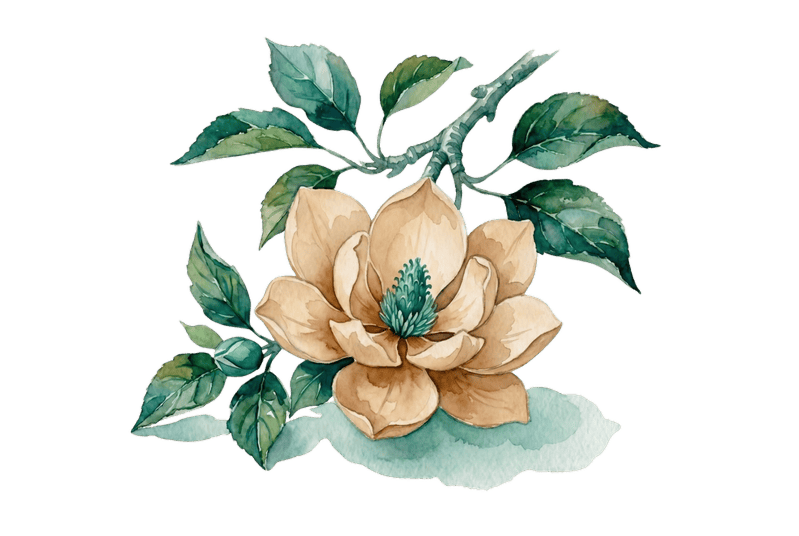
The tree itself is ornamental year-round. Bare and architectural in winter, covered in large white-pink blossom in spring, and carrying those extraordinary yellow fruit through autumn. It earns its space in the garden on appearance alone before the kitchen gets involved.

Getting the timing right across Australian climates
Quince is planted as a bare-rooted tree in winter while dormant, or as a container-grown tree in spring. Bare-rooted trees planted in winter establish well and are often better value than container trees.
Subtropics (NSW coast, SE Queensland):
Marginal. Inland and elevated positions with genuine winter chill produce reasonable results. Coastal positions at lower altitude are unreliable for fruiting. Choose low-chill varieties and accept that some years will be better than others. The tree will grow and look beautiful regardless.
Temperate (Sydney, Melbourne, Adelaide):
Well suited. This is the reliable range for quince in Australia. Good winter chill, mild summers, and the conditions that allow the fruit to develop fully before the autumn harvest. Most traditional varieties perform well here.
Tropics (Darwin, Cairns, Far North Queensland):
Not suited. Insufficient winter chill makes reliable fruiting impossible. A different tree is a better investment in this climate.
Cool and alpine (Canberra, Tasmania, NSW highlands):
Excellent. This is where quince performs at its best in Australia. Long, cold winters produce reliable fruiting, the fruit develops excellent colour and flavour, and the tree thrives in conditions that stress less cold-adapted species. Tasmania in particular produces exceptional quince.
Harvest runs from March to May across most of Australia depending on variety and climate, with cooler zones harvesting later. Quince holds on the tree well past apparent maturity, which gives a useful harvest window without the urgency of softer fruit.

Soil & Fertilising
Quince is tolerant of a wider range of soil conditions than most fruit trees. It handles heavier clay soils better than stone fruits or citrus and will grow in ground that other trees would struggle with. That said, waterlogged soil will damage the roots over time and free drainage is still preferable to consistently wet ground.
pH between 6.0 and 7.0. Slightly acidic to neutral. Quince is not fussy about pH within this range and rarely shows the deficiency symptoms that citrus develops in marginal conditions.
Moderate fertility suits it well. Work compost through the planting area before establishing the tree and apply a balanced fertiliser in late winter as the tree breaks dormancy and again in early summer. Quince does not need the intensive feeding program that citrus requires. A well-mulched tree in reasonable soil produces reliably with modest inputs.
Mulch generously over the root zone and keep it clear of the trunk. Quince has a wide, shallow root system that benefits significantly from a consistently moist, well-mulched root zone. This is one of the more mulch-responsive trees in the garden.

Sun and shade
Full sun for best fruiting. Quince will grow and produce in part shade but fruit development is reduced and the tree is more susceptible to the fungal diseases that humid, shaded conditions encourage. A position with good airflow matters as much as sun on the Mid North Coast, where humidity through spring and summer creates conditions that favour quince leaf blight.

Planting
Bare-rooted in winter or container-grown in spring
Bare-rooted quince trees are available from specialist nurseries through winter while the tree is dormant. This is the preferred planting method. The tree establishes quickly without the root disturbance of removing a container-grown plant, and bare-rooted stock is typically cheaper and available in a wider range of varieties.
Dig a hole wider than the root system and deep enough to plant at the same depth the tree was growing previously, identified by the soil mark on the trunk. Spread the roots out in the hole rather than bunching them. Backfill with the existing soil, firm gently, and water in thoroughly. Stake young trees in exposed positions.
Container-grown trees can be planted in spring once the risk of late frost has passed. Handle the rootball carefully and plant at the same depth as the container. Water in well and keep moisture consistent through the first summer.
Quince is largely self-fertile but fruit set improves with cross-pollination from a second variety. If space allows, two trees of different varieties produces better crops than one. They also flower at slightly different times, which extends the ornamental display in spring.
Space trees at least 4 to 5 metres apart. Quince grows into a substantial tree over time, spreading as much as it grows tall. Plant it where it has room to develop without crowding structures or other trees.

Water & Light
Quince is more drought tolerant than most fruit trees once established, but consistent moisture through the growing season produces better fruit. Irregular watering during fruit development causes the fruit to crack and affects the texture of the flesh, which matters when the main use is cooking.
Deep watering once a week through spring and summer, reducing as the tree goes dormant in autumn and winter. The wide mulch ring helps retain moisture between waterings and reduces the frequency needed through the hotter months.
Avoid overhead watering or irrigation that wets the foliage. Quince is susceptible to fungal leaf diseases that spread rapidly in wet, humid conditions. Keep the leaves as dry as possible and water at the base of the tree.

Problems and troubleshooting
Pests
The most significant insect pest for quince in Australia. The moth lays eggs on developing fruit and the larvae tunnel into the core, leaving the characteristic entry hole and frass trail inside the fruit. A heavily infested fruit is unusable. Codling moth traps baited with pheromone lures indicate adult activity and help time interventions. Kaolin clay spray applied to developing fruit from shortly after petal fall provides a physical barrier. Exclusion bags over individual fruit or clusters are effective but labour intensive on a large tree. Remove and bin fallen fruit promptly as it harbours larvae.
Active across the Mid North Coast through the warmer months and into autumn when quince is ripening. The female lays eggs in maturing fruit, the larvae develop inside, and the fruit becomes inedible. Protein bait traps reduce adult populations. Exclusion netting over the whole tree or bags over individual fruit provide reliable protection. Harvest promptly once fruit reaches maturity and do not leave fallen fruit on the ground.
Various scale species affect quince, appearing as waxy bumps on stems and branches. They weaken the tree over time and produce honeydew that leads to sooty mould. Horticultural oil spray applied while the tree is dormant in winter is the most effective treatment, smothering overwintering scale without harming the tree. Follow up with a spray targeting crawlers in spring.
White woolly colonies on stems and branches, particularly in crevices and at pruning wounds. They feed on the bark rather than the leaves, causing swollen, corky growths on stems over time. Methylated spirits applied directly to colonies with a brush kills them on contact. Inspect pruning wounds and branch crotches regularly through the growing season where they prefer to establish.
Diseases
The most common disease problem for quince on the Mid North Coast. Small brown spots on the leaves that enlarge and merge, causing early defoliation through summer and autumn. A severely defoliated tree produces smaller fruit and is weakened going into the following season. Copper-based fungicide sprays from bud swell through to after petal fall reduce infection. Rake up and bin fallen leaves through the season, as they harbour spores that reinfect the tree. Improving airflow through pruning and choosing a well-ventilated position helps manage pressure in humid climates.
A bacterial disease causing shoots to wilt, blacken, and bend over in the characteristic shepherd’s crook shape. It spreads rapidly through the tree in warm, wet conditions and can kill large branches or the whole tree if unchecked. Prune out affected growth immediately, cutting at least 30cm below the visible infection into healthy wood. Sterilise tools between every cut with methylated spirits or diluted bleach. Do not compost prunings. Fire blight is not widespread across all of Australia but is present in some regions and worth knowing.
Fungal rot causing fruit to develop brown, soft patches that spread rapidly and cover the fruit in grey spore masses. More common near harvest in humid conditions. Remove affected fruit immediately and bin it. Do not leave rotting fruit on the tree or the ground. Copper sprays through the growing season reduce infection pressure.
Non-pest problems
The most likely cause on the Mid North Coast is insufficient winter chill. Quince needs a certain number of hours below 7°C to break dormancy and set fruit reliably. Warm winters produce poor crops or none at all. If your site is marginal for chill hours, there is no fix other than choosing low-chill varieties and accepting variability between seasons. A tree that has fruited well and then stops may also indicate a nutrient imbalance, particularly potassium deficiency, which affects fruit set in many species.
Caused by irregular watering during fruit development, the same mechanism that splits citrus, carrots, and cabbage heads. Consistent moisture through the growing season prevents it. Cracked fruit deteriorates quickly and is more vulnerable to brown rot and fruit fly. Harvest promptly if cracking begins near maturity.

Pruning
Quince is pruned while dormant in winter, which makes timing straightforward. The bare structure of the tree in winter makes it easy to see what you are working with and what needs to come out.
Winter while the tree is fully dormant. On the Mid North Coast this means June through August, once the leaves have dropped and before bud swell begins in late winter. Pruning during dormancy reduces the risk of disease entry through pruning wounds and allows the tree to direct energy into the new season’s growth from the cuts you have made.
Dead, diseased, and crossing branches can be removed any time. For significant structural pruning, stay within the dormant window.
In cooler climates wait until the coldest part of winter has passed before pruning, to avoid stimulating soft new growth that is then damaged by late frosts.
Start with dead, diseased, and damaged wood. Then remove crossing or rubbing branches, branches growing back into the centre of the tree, and any suckers growing from the base or below the graft union. Quince produces suckers readily and they should be removed flush with the trunk or root as soon as they appear rather than allowing them to develop.
Quince fruits on spurs on older wood as well as the tips of new growth, so the pruning approach differs slightly from stone fruit that fruits only on new wood. Thin out overcrowded spurs on older branches where they have become too dense, and shorten some of the previous season’s long growth by about a third to encourage spur development along those branches.
The goal is an open vase shape that allows light and air into the canopy. Quince benefits more from an open centre than citrus does, since it is deciduous and the bare winter structure allows you to see and achieve this more easily.
Quince tolerates reasonably firm pruning compared to citrus. Removing up to 25 to 30% of the canopy in a single winter prune is acceptable on a well-established tree. Young trees in their first three years should be pruned lightly to develop structure rather than heavily to reduce size.
For size control, cut back long leaders to a lateral branch or outward-facing bud. This maintains the spread of the tree without removing the fruiting spurs that develop along established branches.
Sharp secateurs for smaller growth, loppers for branches up to 3cm, a pruning saw for anything larger. Sterilise tools between trees and between cuts when removing diseased wood, particularly if fire blight is present or suspected. Cut at a slight angle just above a bud or lateral branch. Remove prunings from under the tree and bin any diseased material rather than composting it.
When and how to harvest
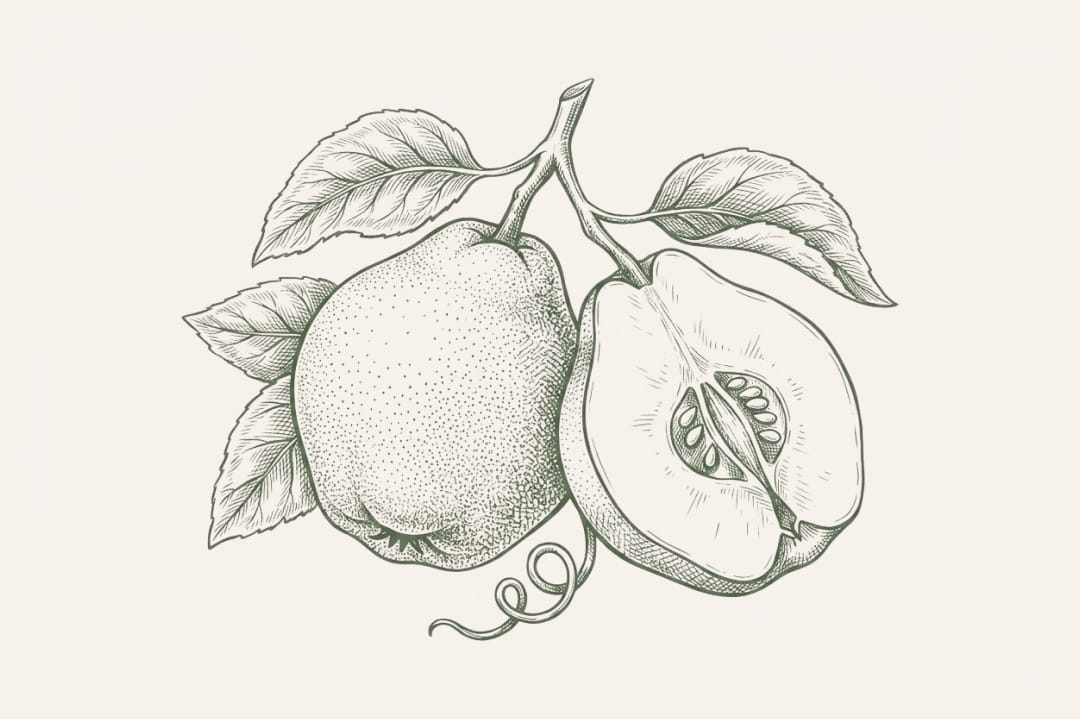
Quince is ready to harvest from March through May depending on variety and climate, when the skin turns from green to a deep golden yellow and the fruit separates easily from the branch with a slight twist. The fruit will feel firm, almost hard. Unlike most fruit, this is not a sign it needs more time. Quince is always firm at harvest and does not soften the way a pear or apple does.
The fragrance is the best guide. A ripe quince smells strongly and distinctly floral. You will smell a ready tree before you examine the fruit closely. If the scent is faint, give it another week.
Cut fruit from the tree with secateurs, leaving a short stem attached. Handle carefully despite the hard exterior. Quince skin bruises and the bruised flesh discolours quickly, which affects the final colour of cooked products. A bruised quince is still perfectly usable but worth processing promptly.
Quince holds on the tree well and does not need to be harvested in a single session. The fruit can stay on the branch for several weeks past apparent maturity without significant deterioration, which gives a useful harvest window without urgency.

Companion plants
- Comfrey (dynamic accumulator, chop and drop mulch)
- Nasturtiums (attract beneficial insects, trap crop for aphids)
- Borage (attracts pollinators during blossom)
- Chives and garlic (deter aphids)
- Shallow-rooted herbs and groundcovers under the canopy
Plants that aren’t friends
- Other Rosaceae family trees planted too close (shares disease pressure with apples, pears, and hawthorn)
- Fennel
- Grass to the trunk (competes for water and nutrients)

In the kitchen
Quince is not a fruit you eat raw. Accept that early and everything else makes sense. What quince does in the kitchen, cooked low and slow with sugar, is transform in a way that almost no other fruit does. The white flesh turns amber then deep red. The astringent, grainy raw fruit becomes something fragrant, jammy, and complex. The process takes time. The result keeps for months. As kitchen projects go, it rewards patience more generously than most.
Whole quince keeps for months in a cool, dark, well-ventilated spot. A cool shed or pantry shelf is ideal. They do not need refrigeration and in the right conditions will last from the autumn harvest through to midwinter. Keep them in a single layer and check regularly, removing any that show signs of softening or rot before they affect the others. A quince that is past its prime for fresh storage is still perfectly good for cooking.
Quince paste (membrillo)
The classic use and worth every bit of the effort involved. Peel, core, and chop the fruit, cook with water until soft, puree, add an equal weight of sugar, and cook low and slow for one to two hours until the paste turns deep red and pulls away from the sides of the pan. Pour into a lined tray, set, and cut into slabs. Keeps for months wrapped in the fridge or in a cool pantry. Alongside a good hard cheese it is one of those combinations that makes the whole enterprise worthwhile.
Quince jelly
Less labour intensive than paste. Simmer the whole fruit, skin and all, strain through a jelly bag overnight, and cook the juice with sugar until it sets. The high pectin content of quince means it sets reliably without added pectin. Clear, amber, and intensely flavoured. Goes well with roast meat, on toast, or stirred through a pan sauce.
Poached quince
Halved or quartered quince poached slowly in a sugar syrup with a vanilla pod, a cinnamon stick, and a strip of orange peel until the flesh turns deep rose. The poaching liquid becomes a fragrant syrup. Keeps in the fridge for two weeks. Serve with cream, yoghurt, or ice cream. Freeze the poached fruit in its syrup for use through the year.
With lamb
Quince and lamb is a Persian combination with a long history and a good reason for it. Add quince pieces to a slow-braised lamb shoulder in the last hour of cooking. The fruit softens, absorbs the cooking juices, and adds a sweet-tart quality that cuts through the richness of the meat. One of the better arguments for having a quince tree on a property that also runs sheep.
Baked quince
Halve and core, place cut side up in a baking dish, fill the cavity with a little butter and brown sugar, add a splash of water to the pan, cover with foil, and bake at 160°C for two hours. Remove the foil for the last thirty minutes. The fruit collapses slightly and turns a deep amber. Serve with thick cream or alongside roast pork. Low effort for a genuinely good result.
Quince and apple tart
Quince alone can be dense and intensely flavoured in baked goods. Combined with apple it balances out into something lighter. A simple tart with a layer of quince paste on the pastry base, topped with sliced apple, is a good way to use both the paste and fresh fruit from the property in a single dish.