Three Soil Tests to Try

A guide to identifying soil types.

Every garden has pests. The question isn’t how to eliminate them — it’s how to manage the ones that matter without making the rest of the garden worse in the process. Spraying everything that moves works until it doesn’t. This is a different approach.

Basic Soil test

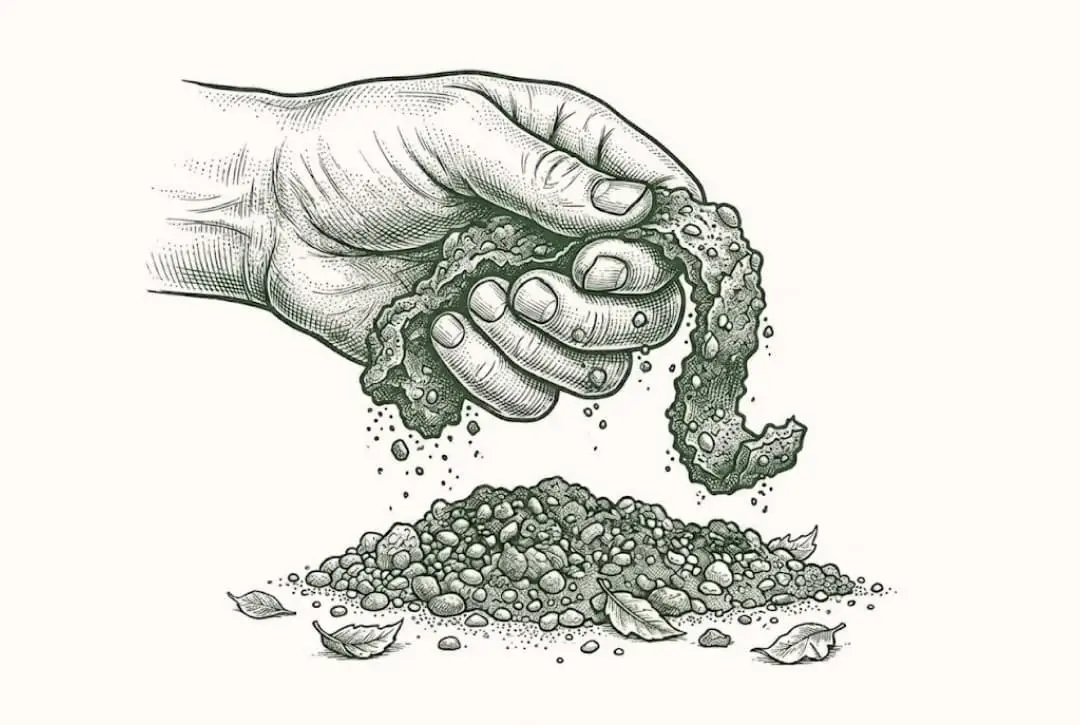
The Ribbon Test

A quick hands-on test to identify your soil type, no tools or labs required. All you need is a handful of soil and about two minutes. This test uses the feel of your soil — how it forms a ball, how it ribbons, how it feels when rubbed between your fingers. No equipment needed beyond a small handful of soil and a little water.

Soil composition test

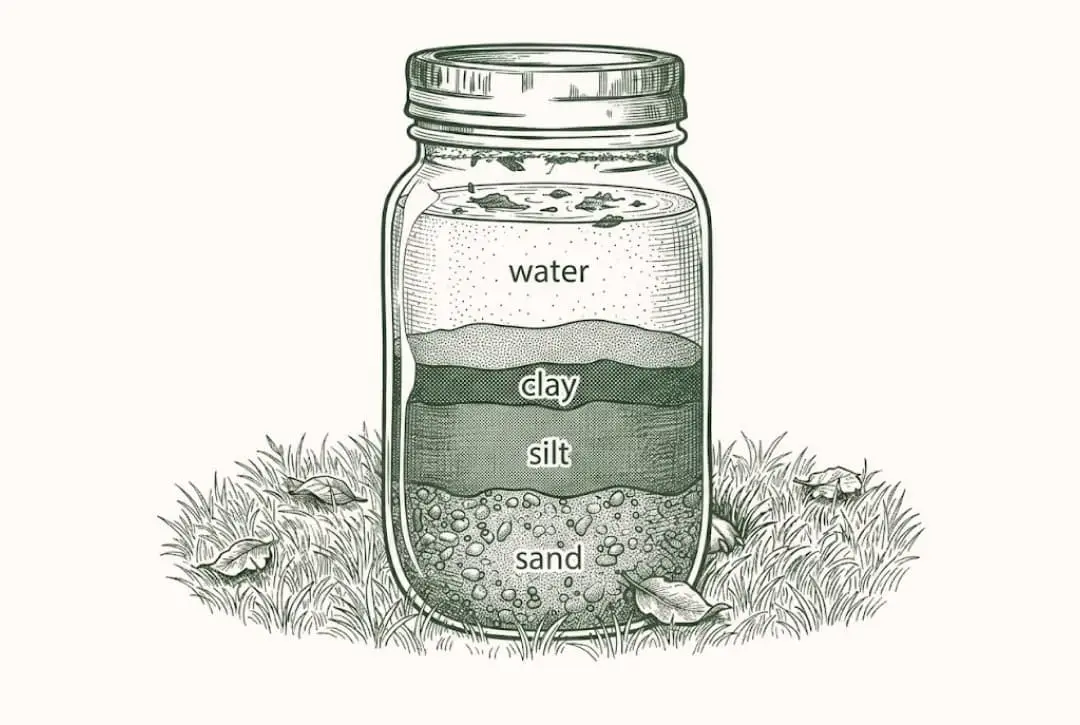
The Jar Test

The jar test is the best low-tech way to understand your soil's mineral makeup. All you need is a jar, some water, and a day's patience. The numbers you get tell you exactly where your soil sits on the texture triangle.

How to do the jar test

1Half-fill a large straight-sided glass jar with soil taken from 5–15cm below the surface. Remove any pebbles or large organic matter.
2Top up with clean water, leaving a little space at the top. Add one drop of dishwashing liquid.
3Put the lid on tight and shake for three minutes. Then set it somewhere it won't be disturbed.
4Leave it overnight — or up to 48 hours. Sand settles first, then silt, then clay. The water above may stay cloudy for days if clay content is high.
5Measure the total depth of settled solids in millimetres.
6Measure the sand layer (coarse, visible grains at the bottom) and the clay layer (the finest, most solid layer at the top of the settled material).

Tip: Sand settles in the first hour. Silt takes most of the day. Clay can take 24–48 hours and may never fully settle in dispersive soils — if the water stays persistently cloudy, you likely have a dispersive clay.

Enter your measurements

mm
mm
mm
Sand
Silt (0 mm)
Clay

Your soil on the texture triangle

The target shows where your soil sits. The result card below tells you what it means.

102030405060708090100102030405060708090100102030405060708090100CLAYLOAMSILTCLAY LOAMSANDY LOAMSILT LOAMSANDY CLAY LOAMSILTY CLAYSANDY CLAYLOAMY SANDSAND SILTY CLAY LOAMPercentage ClayPercentage SiltPercentage Sand
Your soil texture

Works well for

    Challenges

      On the Mid North Coast

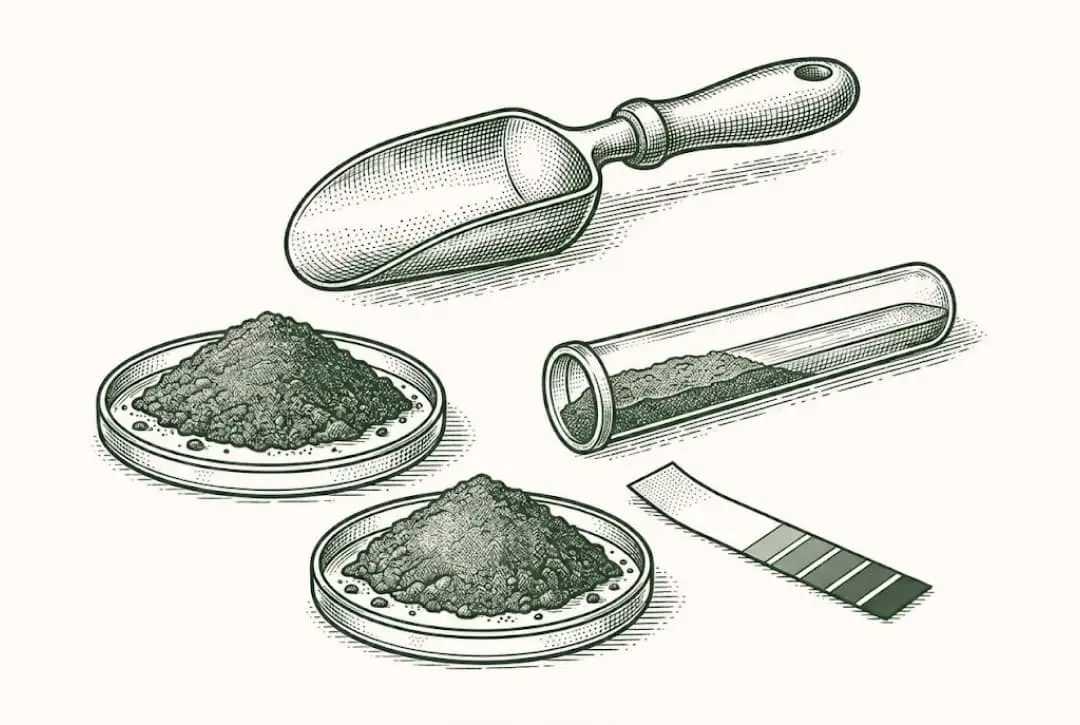
      Soil PH Test

      Understanding a soil pH result

      Got a number from your pH test kit or meter? Set it below, pick what you're growing, and we'll tell you what it means — and what to do about it.

      4.05.06.07.08.09.0
      6.5 pH

      Not sure? Use the soil type identifier above.

      6.5 pH
      Soil condition
      Grows well at this pH
        Likely to struggle
          What to do
          On the Mid North Coast

          Take a look out our other guides