So you want to grow Mangoes
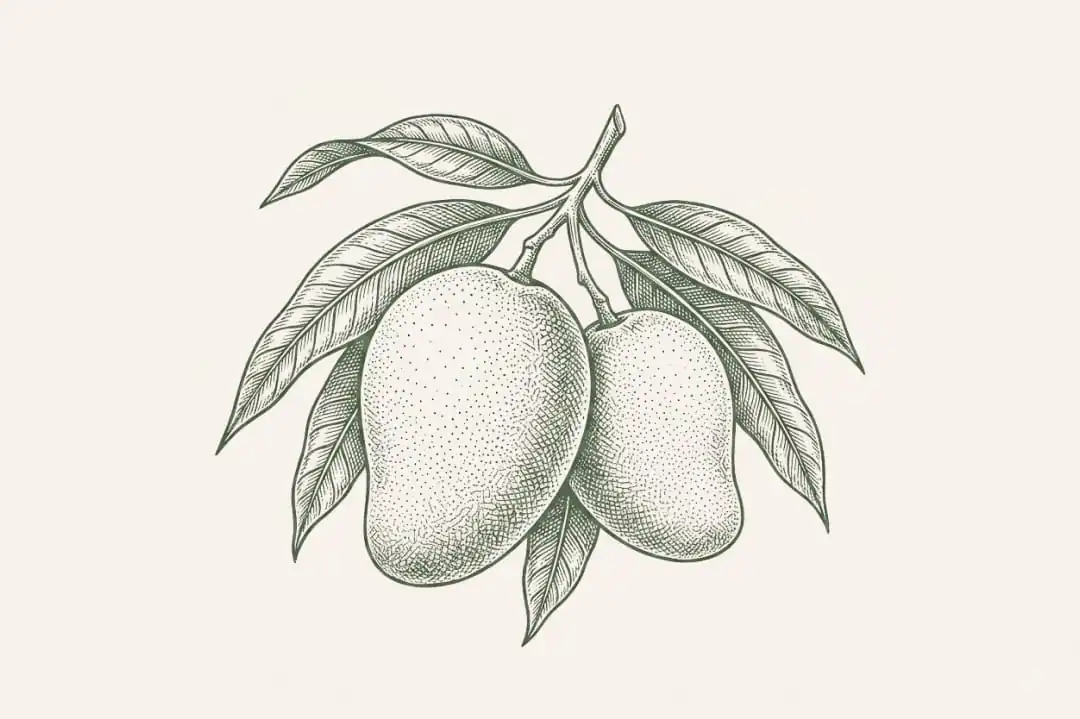
Mango ~ Mangifera indica
Family: Anacardiaceae
When we moved to the Macleay Valley we inherited two mango trees. One needed work. The other was enormous and produced over two hundred fruit in the first season, some of them as large as anything I had seen in a shop. We stood under it in December not entirely sure what we were going to do with two hundred mangoes. The answer turned out to be: eat a lot of them fresh, give bags away to anyone who came near the property, make chutney, freeze pulp, and discover that mango sorbet made from fruit picked that morning is a different category of food from anything that comes in a tub. If you are on the Mid North Coast and you do not have a mango tree, this article is your reason to plant one.
Why mango suits the Mid North Coast
Mango is a tropical and subtropical tree and the Mid North Coast sits comfortably within its productive range. Our warm, humid summers provide the heat the fruit needs to develop fully. The mild winters are cool enough to trigger flowering without being cold enough to damage the tree or the blossoms. This seasonal contrast between a dry, relatively cool winter and a warm, wet summer is exactly what mango needs to produce reliably. We are in a good spot for it.
The risk on the coast is anthracnose, a fungal disease that affects the flowers and fruit in humid conditions. Managing it through the flowering and fruit set period is the main ongoing task for mango growers on the Mid North Coast. Everything else is relatively straightforward once the tree is established.

Getting the timing right across Australian climates
Mango is planted as a grafted tree. Spring planting, from September to November, is the preferred window across most of Australia. The tree has the full warm season to establish before its first winter.
Subtropics (NSW coast, SE Queensland):
Excellent conditions. Spring planting September to November. The Mid North Coast and southeast Queensland produce reliable crops with good fruit quality. This is the southern edge of the reliable mango range in Australia and it works well.
Tropics (Darwin, Cairns, Far North Queensland):
Ideal climate. The traditional mango-growing regions of Australia. Plant at the start of the dry season, April to June, to allow establishment before the wet season arrives. The wet season provides growth, the dry season triggers flowering.
Temperate (Sydney, Melbourne, Adelaide):
Marginal south of Sydney. Coastal Sydney in a protected, north-facing position can produce fruit in good years. Melbourne and Adelaide are too cold for reliable fruiting. A frost-free microclimate and a warm wall to the north can extend the range slightly but results are unpredictable.
Cool and alpine (Canberra, Tasmania, NSW highlands):
Not suited. Winter cold and frost rule it out entirely.
Variety selection matters for the Mid North Coast. Kensington Pride (Bowen) is the traditional Australian variety and performs reliably here. R2E2 produces large fruit and is popular for its size and flavour. Calypso is a reliable, consistent producer with good disease resistance. Keitt fruits later in the season and extends the harvest window. Having two varieties that ripen at different times gives a longer fresh eating period than a single tree allows.

Soil & Fertilising
Mango is adaptable to a wide range of soil types but performs best in deep, free-draining soil. It will not tolerate waterlogged ground. The roots go deep and wide, which is part of why an established tree is so productive and so drought tolerant. Give it the conditions to develop that root system and it largely looks after itself.
pH between 5.5 and 7.5. Mango is less sensitive to soil pH than citrus and rarely shows the deficiency symptoms that citrus develops at the margins of its preferred range.
Fertilise young trees regularly through the growing season with a balanced fertiliser to encourage strong root and canopy development. A dedicated mango or tropical fruit fertiliser four times a year works well. Potassium is particularly important for fruit development and flavour. Reduce nitrogen applications as the tree approaches flowering time. High nitrogen at flowering encourages vegetative growth at the expense of fruit set.
Established trees are less demanding but benefit from a fertiliser application after harvest and again before the flowering season. Mulch generously over the root zone, keeping it well clear of the trunk. A wide, deep mulch ring conserves moisture, suppresses competing vegetation, and feeds the soil as it breaks down.
Micronutrient deficiencies occasionally appear on the Mid North Coast, particularly zinc and boron. A foliar micronutrient spray two to three times a year is a practical preventive measure on a productive tree.

Sun and shade
Full sun. Mango needs maximum sun exposure for reliable flowering and fruit development. A tree in part shade will grow vigorously but fruit production drops significantly. On the Mid North Coast, plant in the most open, sunny position available with good airflow. Airflow matters as much as sun for managing the anthracnose pressure that comes with coastal humidity.

Planting
Grafted trees only
Grafted trees from a reputable nursery. Seed-grown mango takes many years to fruit, produces variable results, and lacks the characteristics of named varieties. A grafted tree on a good polyembryonic rootstock is productive sooner and more consistent. Do not plant a seed from a mango you enjoyed eating and expect the same result.
Dig a hole wider than the rootball and no deeper. Mango does not benefit from deep planting. Set the tree so the graft union sits above soil level and backfill with the existing soil. Water in thoroughly. Keep the root zone consistently moist for the first summer while the root system establishes.
Space trees at least 8 to 10 metres apart for standard varieties. Mango grows into a very large tree over time. Under-spacing is one of the most common mistakes in home mango planting and results in trees competing for light and airflow, which increases disease pressure. Semi-dwarf varieties can be planted closer, at 4 to 5 metres.
Stake young trees in exposed positions. Mango develops a heavy canopy and a young tree with an underdeveloped root system can be rocked by strong winds, which disrupts root establishment. Remove stakes once the root system is established, usually after the first full growing season.

Water & Light
Young trees need consistent watering through their first two summers. Deep watering once or twice a week through hot, dry periods until the root system is well established. After that, mango is one of the more drought-tolerant fruit trees in the garden and the natural rainfall on the Mid North Coast is usually sufficient for an established tree outside of extended dry periods.
The critical period for water management is during flowering and fruit set, from late July through to December on the Mid North Coast. Consistent moisture during this period supports good fruit development and reduces splitting. Waterlogging during this period, however, encourages root disease and can cause fruit drop. The goal is consistently moist, free-draining ground rather than saturated soil.
Reduce watering in late autumn and early winter before the flowering season. A degree of water stress during this dry-down period can actually encourage flowering in trees that are inclined to produce vegetative flushes rather than flowers. This is a technique used by commercial growers and is worth knowing if your tree consistently pushes new growth rather than flowers.

Problems and troubleshooting
Pests
The most damaging pest for mango on the Mid North Coast. The female lays eggs in ripening fruit, the larvae develop inside, and the fruit becomes inedible. A productive tree with no fruit fly management will lose a significant proportion of its crop. Protein bait traps reduce adult populations around the tree. Exclusion netting over the whole tree is highly effective but impractical on a large, established mango. Exclusion bags over individual fruit clusters are labour intensive but reliable. Harvest promptly once fruit reaches maturity. Remove and bin fallen fruit immediately, as it completes the fruit fly lifecycle and increases pressure on the remaining crop.
Larvae tunnel into the growing tips and young flower panicles, causing the tip to wilt and die back. On a young tree, repeated tip borer damage delays canopy development significantly. On a mature tree, damage to flower panicles affects fruit set. Remove and bin affected tips promptly. A registered insecticide applied to new flushes during peak activity helps manage populations. Keep the tree healthy and vigorous, as stressed trees are more vulnerable.
Several scale species affect mango in coastal NSW, appearing as waxy or powdery deposits on stems and leaves. They weaken the tree over time and produce honeydew that leads to sooty mould on the foliage, which reduces photosynthesis. Horticultural oil spray applied to all surfaces while the tree is not actively flushing new growth is the most effective management. Ants farming scale on the tree are a reliable early indicator of an emerging infestation.
A quarantine pest in some Australian states. The weevil lays eggs on young fruit, the larvae develop inside the seed, and the fruit appears normal from the outside. The flesh is unaffected and perfectly edible. The problem is that infested fruit cannot be moved interstate due to quarantine restrictions. On the Mid North Coast, for home consumption this is largely a non-issue. Worth knowing if you are considering selling or gifting fruit across state lines.
Diseases
The primary disease challenge for mango on the Mid North Coast. A fungal disease that affects flowers, young fruit, and foliage in humid conditions. On flowers, it causes blackening and premature drop, directly reducing fruit set. On developing fruit, it causes dark sunken lesions on the skin. On leaves, brown irregular spots and tip dieback. The humid coastal climate during the flowering and fruit set period, roughly August through November, is precisely when anthracnose pressure is highest.
Copper-based fungicide sprays from the start of flowering through fruit set, applied every 10 to 14 days or after rain, is the standard management approach. Good airflow through the canopy through pruning reduces humidity in the tree and helps significantly. Rake up and remove fallen flowers and fruit, which harbour spores. Choosing anthracnose-resistant varieties like Calypso reduces pressure but does not eliminate the need for management in coastal conditions.
White powdery coating on flowers, young fruit, and new foliage. Affects fruit set when it covers the flower panicles. More common in conditions of high humidity combined with low rainfall, which sounds contradictory but describes the transition between dry winter and wet summer reasonably well. Sulphur-based fungicide sprays at the start of flowering manage it effectively. Good airflow through the canopy is the structural prevention.
Black coating on leaves and stems growing on honeydew from scale insects. Fix the scale problem and the sooty mould stops spreading. A horticultural oil spray helps break down existing mould while treating the scale at the same time.
Non-pest problems
A tree that consistently produces new leaf growth through winter rather than flowers is a tree that has not experienced sufficient stress to trigger the flowering response. High nitrogen levels, consistent irrigation through winter, and warm winters all contribute. Reduce fertiliser applications before the flowering season, reduce watering through autumn and early winter to create a dry-down period, and avoid pruning that stimulates new growth just before expected flowering time. Some varieties are more prone to this than others.
Some fruit drop after initial set is normal as the tree self-thins to what it can support. Heavy drop mid-season usually indicates water stress, nutrient deficiency, or anthracnose infection of the young fruit. Review watering consistency and look for disease symptoms on the dropped fruit before assuming a more complex cause.
Many mango varieties alternate between heavy and light cropping years. A year like our first season, with over two hundred fruit, is often followed by a lighter season as the tree recovers. This is normal behaviour rather than a problem. Managing it involves thinning heavy crops to reduce the energy drain, maintaining consistent feeding and watering, and accepting that some variability between seasons is inherent to the tree rather than a sign of failure.

Pruning
Mango pruning on the Mid North Coast serves two purposes: keeping the tree at a manageable size and improving airflow through the canopy to reduce anthracnose pressure. An unpruned mango grows into a very large tree that becomes difficult to harvest and spray, and the dense canopy creates the humid internal environment that anthracnose thrives in.
Immediately after harvest is the standard timing for mango, from February to April on the Mid North Coast depending on variety. This allows the tree to produce a new growth flush before the flowering season in winter. That new flush hardens off through autumn and forms the basis of the following season’s flowering wood.
Avoid pruning in the lead-up to or during flowering, from around June through to fruit set. Pruning at this stage removes flowering wood and reduces the crop. Do not prune during wet, humid conditions as fresh cuts are vulnerable to anthracnose infection.
Light maintenance, removing dead wood and crossing branches, can be done at any time. Significant structural pruning stays within the post-harvest window.
Dead, diseased, and crossing branches first. Then any branches growing back into the centre of the canopy or significantly reducing airflow through the tree. Skirt the lower branches to keep foliage off the ground and improve airflow at the base.
For size control, cut back the outer canopy by 20 to 30% of the previous season’s growth after harvest. This is the standard commercial approach for keeping trees at a harvestable height and is equally valid in a home garden. A mango kept to 3 to 4 metres through consistent annual pruning is far more manageable than one allowed to reach full size.
On the Mid North Coast, thinning the interior of the canopy to improve airflow is worth the extra effort given the anthracnose pressure. A more open canopy dries faster after rain and reduces the humid microclimate that the fungus prefers.
Sharp secateurs for small growth, loppers for branches up to 3cm, a pruning saw for larger branches, and a pole saw for reaching the upper canopy without a ladder. Mango sap causes skin and eye irritation. Wear long sleeves, gloves, and eye protection when pruning. Keep the cut end of removed branches pointed away from you as the sap runs freely from fresh cuts. Wash tools and skin thoroughly after pruning.
Seal large pruning wounds with a copper-based wound sealant or pruning paste to reduce the entry point for anthracnose. This matters more on the Mid North Coast than in drier climates.

When and how to harvest
On the Mid North Coast, mango harvest runs from November through February depending on variety. Kensington Pride ripens from November to December. R2E2 and Calypso follow through December and January. Keitt extends the season into February. A well-chosen mix of varieties gives fresh mangoes for three months.
Colour alone is not a reliable guide to ripeness. Kensington Pride stays largely green even when ripe. R2E2 and Calypso develop more colour. Smell is more reliable. A ripe mango has a strong, sweet fragrance at the stem end. The fruit also gives slightly under gentle pressure and the shoulders of the fruit fill out and round off as it approaches maturity.
Cut fruit from the tree with secateurs leaving a short stem attached. Twisting or pulling can tear the stem and allow sap to run onto the skin, which causes sap burn, a dark staining around the stem end that affects appearance and can irritate the skin. Keep the cut end pointed down for a few minutes after harvest to allow any sap to drip away from the fruit.
Mangoes picked firm and allowed to ripen at room temperature off the tree often have better flavour than fruit left to fully ripen on the tree, which is more vulnerable to fruit fly and splitting. Pick at the mature green to just-colouring stage and ripen inside.

Companion plants
- Comfrey (dynamic accumulator, chop and drop mulch)
- Nasturtiums (attract beneficial insects)
- Lemongrass (deters some pests, suits the same climate)
- Basil (beneficial insect attractor, grows well in the same conditions)
- Turmeric and ginger (suit the same climate, use the space under the canopy productively)
Plants that aren’t friends
- Other large trees planted too close (competition for light and root space)
- Grass to the trunk (competes for water and nutrients, harbours pests)
- Fennel

In the kitchen
Two hundred mangoes forces creativity. You eat as many fresh as is reasonable, then you start looking for everything else they can do. The answer is: quite a lot. Mango is one of the most versatile fruit in the kitchen, working across sweet, savoury, fermented, and frozen applications with equal willingness. A productive tree in December and January gives you enough to explore all of it.
Ripe mangoes keep in the fridge for four to five days. Unripe fruit ripens at room temperature in two to five days depending on how green it was picked. Freezing is the most practical way to deal with a large harvest. Peel, slice or cube, freeze on a tray until solid, then transfer to bags. Frozen mango keeps for six months and is excellent in smoothies, sorbet, and cooked applications. The texture softens on thawing so it is not suited to fresh eating after freezing, but for everything else it works well.
Mango chutney
The best use of a large harvest after eating your fill fresh. Firm, slightly underripe mangoes work better than fully ripe fruit, which becomes too soft in the cooking process. Mango, onion, vinegar, sugar, ginger, garlic, mustard seeds, and chilli cooked down until thick and jammy. Keeps for twelve months in sterilised jars. Goes with everything: cheese, cold meat, curries, grilled chicken. A productive mango tree and a few afternoons in the kitchen produces enough chutney to give away and still have plenty left.
Mango jam
Simpler than chutney. Mango pulp cooked with sugar and a squeeze of lime until it sets. The lime juice adds acidity that balances the sweetness and helps the jam set. On toast, through yoghurt, or spooned over vanilla ice cream. A straightforward preserve that most people have not tried and most people enjoy when they do.
Dried mango
Peeled, sliced, and dried in a dehydrator or a low oven until leathery. No added sugar needed. Keeps for months in an airtight jar. Concentrated mango flavour in a form that lasts well past the season. Worth making a batch when the harvest is at its peak.
Mango sorbet
Frozen mango pulp blended with a little lime juice and a small amount of sugar syrup. That is the entire recipe. The result is better than anything from a shop because the fruit is better. Made the day it was picked it is one of those things that reminds you why growing food matters. A high-powered blender or food processor is all the equipment needed.
Green mango salad
Firm, underripe mango shredded or julienned with cucumber, chilli, fish sauce, lime juice, and roasted peanuts. The Thai-style version is one of the better uses of fruit that is not quite ripe enough to eat fresh. Crisp, sharp, and substantial enough to eat as a meal alongside grilled prawns or fish.
Mango with sticky rice
Ripe mango alongside warm coconut sticky rice is a combination that needs no improvement. The sweetness of the mango and the richness of the coconut rice work together in a way that is greater than either part. Worth making at least once during the season with the best fruit from the tree.
Fresh, standing over the sink
The honest answer to what to do with two hundred mangoes is that a significant proportion of them get eaten this way. Ripe, warm from the tree, juice running down your arms. No preparation required and nothing else quite matches it. The whole point of having the tree.